What the World Is Eating · Issue 05 · October 26, 2026

Black
Garlic.

A bulb of ordinary garlic spends weeks in warmth and emerges dark as ink, soft as fruit leather, with flavours that suggest balsamic vinegar, molasses and roasted tamarind. It is not burned. It is transformation you can taste.

The sweet side of the dark · Science, history and three kitchens

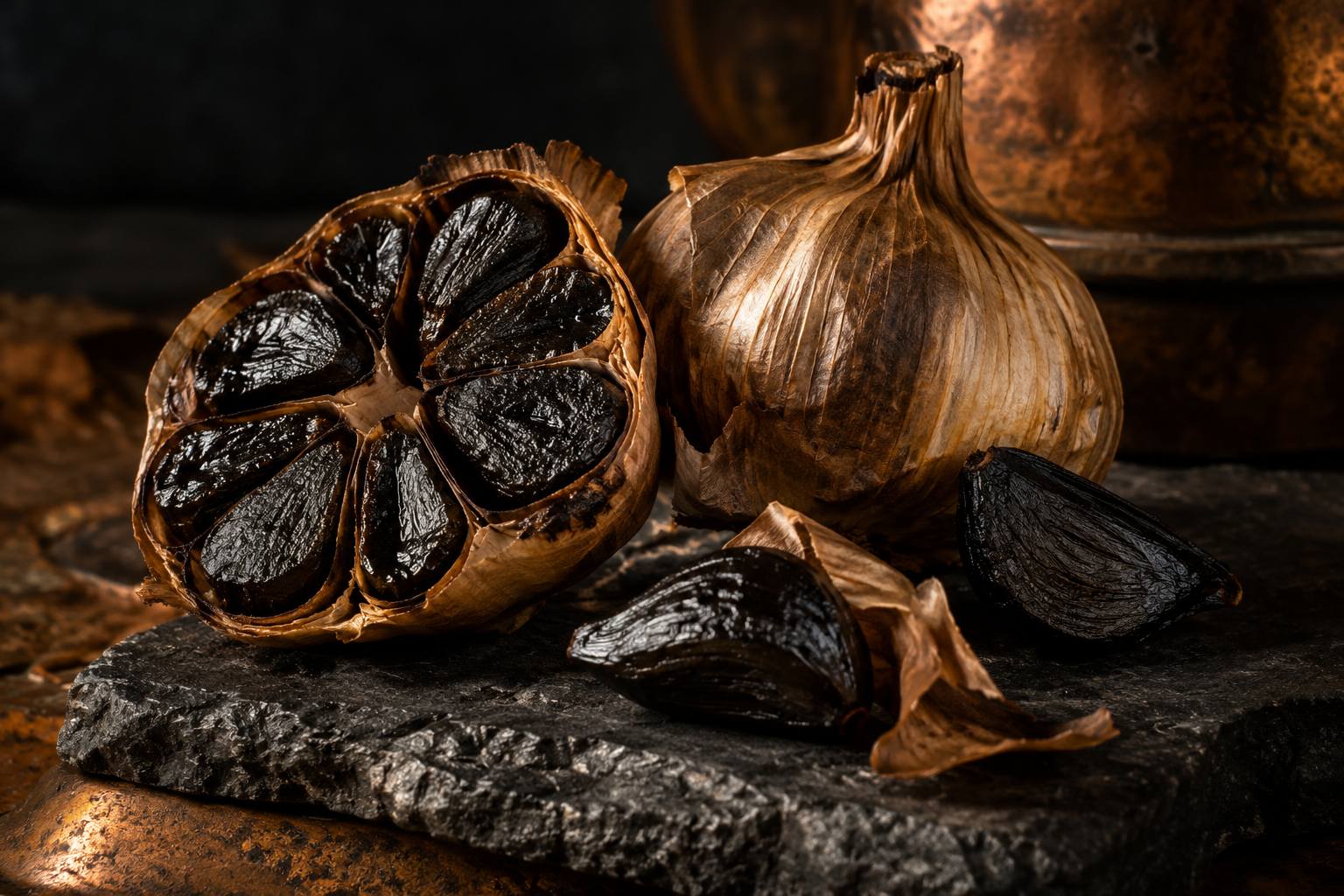
A halved bulb of aged black garlic with glossy dark cloves on a rough slate slab
Allium sativum, transformed by time and controlled warmth
A familiar food, unrecognizable

Garlic without the bite.

Cut into a head of black garlic and the colour is startling: not violet, not brown, but almost jet black. Yet the real surprise arrives when you taste it. The bite of fresh garlic has softened into something fruity, mellow, sweet, lightly tart and intensely savoury.

It is still Allium sativum, the same species as the cloves in your pantry. The transformation comes from extended exposure to controlled heat and humidity, often for days or weeks. During that time, the chemistry of the bulb changes dramatically. Proteins, sugars and sulfur-containing compounds are rearranged and broken down. Dark pigments develop. New aromas appear. [1–3]

The best comparison is not roasted garlic. Roasted garlic is cooked relatively quickly at high oven heat, often producing caramelized edges. Black garlic develops gradually throughout the clove until it becomes dark and soft nearly all the way through.

What it tastes like: sweet balsamic, gentle garlic, tamarind, dried plum, umami. What it feels like: sticky and soft, often spreadable. What it can do: add depth to a sauce without the harsh bite of raw garlic.
Food history and provenance

From aged bulbs to modern kitchens

Black garlic is strongly associated with contemporary food production and culinary use in East Asia, especially Korea and Japan. It is now sold and cooked with internationally. You may encounter confident claims about its ancient origin, but the specific historical origin of today's commercially heat-aged black garlic is not firmly established. We should not mistake a modern product for an ancient, universal tradition.

It became popular because controlled ageing makes garlic remarkably different to cook with. Its sweetness can balance acid, its savouriness can support mushrooms and beans, and its softness makes it easy to dissolve into dressings and glazes.

Not the same as fermentation

Why the label causes confusion

People often call black garlic “fermented garlic.” In standard heat-aged manufacturing, however, non-enzymatic browning and other heat-driven changes are the central processes. Some studies discuss microorganisms under particular processing conditions, but conventional black garlic does not require a live starter culture or ordinary microbial fermentation. [1, 3]

This matters when comparing foods. Kimchi, yogurt and sauerkraut are made through microbial fermentation; black garlic is generally produced through controlled thermal ageing. It should not be sold as a guaranteed probiotic food.

Inside the transformation

The chemistry of turning black.

The appeal is not a mysterious new vitamin. The appeal is a changed chemical landscape. Heat, moisture and time reshape raw garlic's sugars, amino acids and organosulfur molecules, building flavours and compounds that behave differently from those in the fresh bulb. [1–4]

01 / The colour

Maillard browning

Reducing sugars react with amino compounds, setting off many linked reactions that produce dark, complex mixtures of molecules, including melanoidins. This is related to the browning chemistry behind toasted bread and seared foods, although the temperature and moisture conditions differ greatly. It explains much of the dark colour and rich, layered aroma, rather than charring. [1–3]

02 / The sweetness

Carbohydrates rearrange

During ageing, changes in carbohydrates can increase the proportion of simpler sugars while organic acids and aromatic molecules accumulate. Sweet and sour notes become prominent, and harsh garlic pungency recedes. Results vary with cultivar, starting moisture, processing time and temperature. [1–3]

03 / The sulfur

Less allicin, more SAC

Fresh garlic develops the reactive compound allicin when cloves are crushed. Allicin is unstable and generally diminishes with sustained heating. Ageing can increase more stable water-soluble organosulfur compounds, notably S-allyl cysteine (SAC), along with related compounds. These shifts are a reason researchers study black garlic, but concentrations are not standardized across products. [1–4]

04 / The assays

Antioxidant capacity

Many laboratory comparisons report greater measured antioxidant capacity or total phenolic content in black garlic than raw garlic. The assays measure how samples react under experimental conditions. They do not, by themselves, demonstrate reduced inflammation, less back pain or fewer illnesses in people. [1–4]

What about 5-HMF? 5-hydroxymethylfurfural is one of several heat-associated products reported in black garlic. Its level depends on processing, and detecting it does not prove either a health benefit or a hazard at ordinary culinary intakes. Food chemistry is more nuanced than calling every new molecule automatically good or bad.
What the science actually establishes

Promising chemistry is not a clinical cure.

Well established

Heat-ageing changes appearance, taste and chemical composition. Many analyses find altered sulfur profiles, phenolic measures and in-vitro antioxidant activity. This is food science demonstrated in real samples. [1–4]

Worth studying

Animal and cell studies investigate oxidative stress, immune signalling, glucose handling and cardiovascular markers. Some small human studies exist, but formulations and doses vary; black garlic foods, standardized extracts and other aged-garlic supplements are not interchangeable. [1, 2, 4]

Not established

There is no sound basis to claim eating black garlic treats sciatica, repairs discs, cures inflammation, prevents cancer or replaces medical care. Its best-evidenced value in an ordinary meal is culinary: helping people enjoy nutritious foods with more flavour.

Why feature it on Food for Back Pain? Because sustainable eating patterns are built one practical meal at a time. Black garlic can make vegetables, legumes and fish more inviting. That is useful without needing to promise a therapy.

The world at the table

One ingredient.
Three new conversations.

Our three kitchens are Korean-inspired, Mediterranean-inspired and Mexican-inspired. These are practical, modern dishes using a globally traded ingredient, not claims that each is an inherited traditional black garlic recipe. Each uses black garlic differently: as a glaze, a spread and a sauce.

Kitchen 01 · Korean-inspired

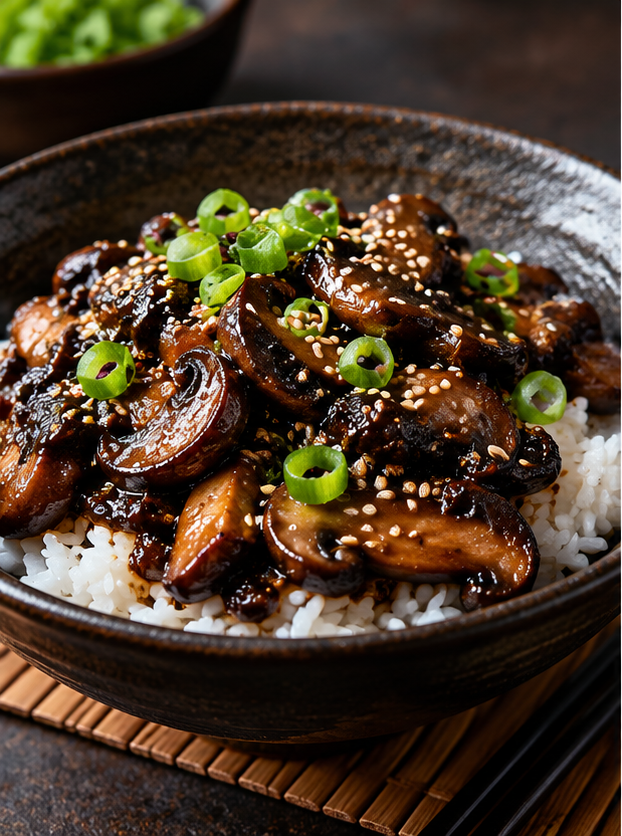
Black Garlic & Sesame Mushroom Rice

Recipe 1 / 3
Glossy black garlic glazed mushrooms on steamed rice with sesame and scallions
Recipe photography · Kitchen 01 · Korean-inspired

A sticky, savoury-sweet glaze wraps mushrooms and turns an everyday bowl of rice into a substantial, comforting meal. Inspired by Korean pantry flavours; not a traditional named dish.

2 servings25 minutes
Kitchen note: Try a handful of sautéed greens or edamame on the side. For a gluten-free version, use certified gluten-free tamari.

Ingredients

  • 250 g cremini or shiitake mushrooms, sliced
  • 2 cups cooked short-grain or brown rice
  • 3 soft black garlic cloves
  • 1½ tbsp reduced-sodium soy sauce or tamari
  • 1 tbsp rice vinegar
  • 1 tsp toasted sesame oil
  • 1 tsp maple syrup, optional
  • 1 tbsp water, plus more as needed
  • 1 tbsp neutral oil
  • 2 scallions, thinly sliced
  • 1 tsp toasted sesame seeds

Method

  1. Mash the black garlic cloves in a small bowl with soy sauce, rice vinegar, sesame oil, maple syrup (if using) and water until nearly smooth.
  2. Heat neutral oil in a wide skillet over medium-high heat. Add mushrooms in a single layer and cook 5–7 minutes, stirring occasionally, until browned and moisture has evaporated.
  3. Turn heat to medium-low. Stir in the black garlic mixture and cook 1–2 minutes, adding a splash of water if it thickens too fast. Coat every mushroom.
  4. Divide hot rice between bowls. Spoon the glazed mushrooms over it; finish with scallions and sesame seeds.
Kitchen 02 · Mediterranean-inspired

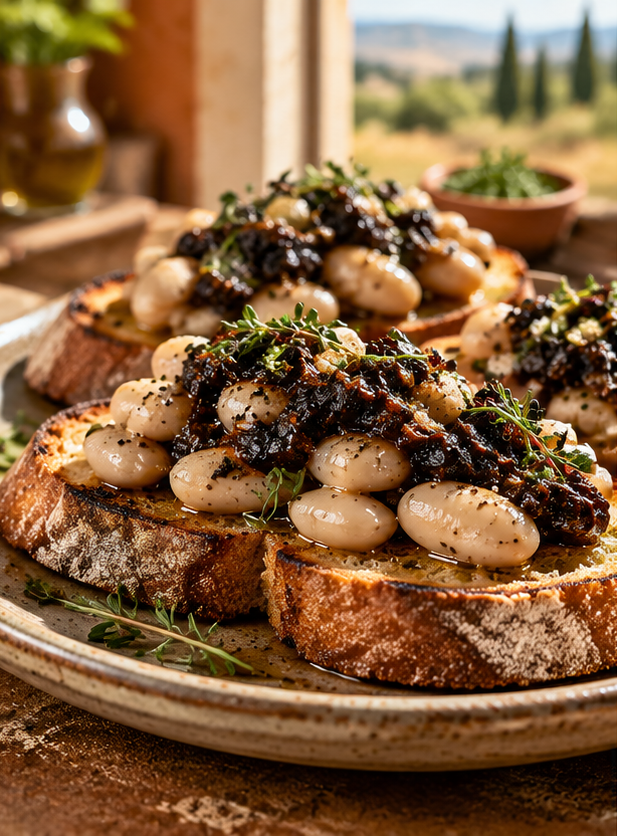
Black Garlic & White Bean Crostini

Recipe 2 / 3
Toasted sourdough topped with white beans, black garlic paste, thyme and olive oil
Recipe photography · Kitchen 02 · Mediterranean-inspired

Creamy beans, crisp bread, bright lemon and a glossy black garlic topping. The ingredient works like a sweet, savoury condiment against olive oil and herbs.

4 snack servings15 minutes
Kitchen note: Black garlic is assertive even when mellow. Start with less paste on each toast, then add more to taste.

Ingredients

  • 1 can (398 mL / 14 oz) cannellini beans, drained and rinsed
  • 4 thick slices rustic sourdough or whole-grain bread
  • 4 black garlic cloves
  • 2 tbsp extra-virgin olive oil, divided
  • 1 tbsp lemon juice, plus zest to finish
  • 1 tsp chopped fresh thyme or rosemary
  • 1–2 tbsp warm water
  • Pinch of salt and black pepper
  • Optional: chopped parsley

Method

  1. Toast or grill bread slices until crisp on the edges.
  2. Gently mash half the beans with 1 tbsp olive oil, lemon juice, thyme, salt and pepper. Fold in remaining whole beans. Warm briefly in a small saucepan if desired.
  3. Mash black garlic with 1 tbsp olive oil and 1–2 tbsp warm water to create a thick spreadable paste.
  4. Spoon beans over toasted bread. Add a little black garlic paste to each piece, swirl through with a spoon and finish with lemon zest and parsley.
Kitchen 03 · Mexican-inspired

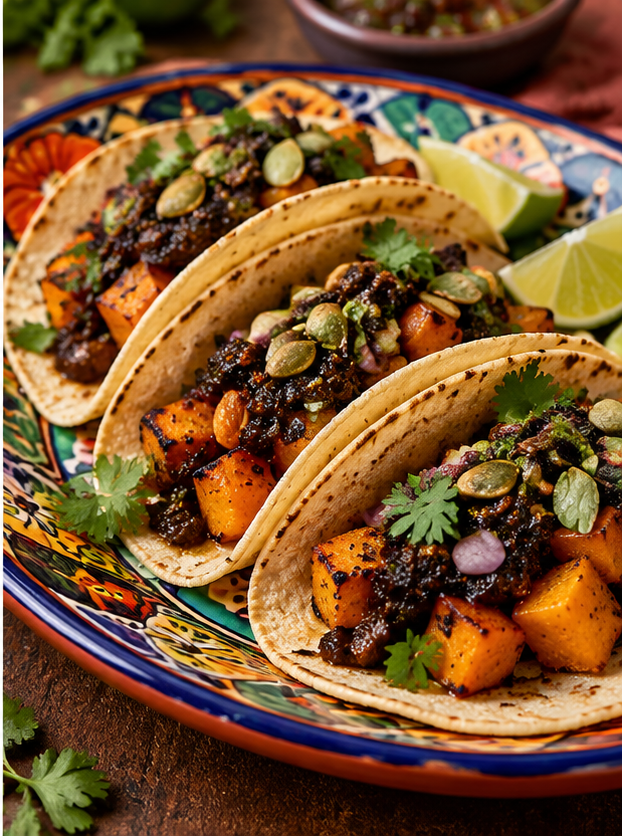
Roasted Squash Tacos with Black Garlic–Lime Salsa

Recipe 3 / 3
Corn tortillas filled with roasted squash, black garlic salsa, pepitas, cilantro and lime
Recipe photography · Kitchen 03 · Mexican-inspired

Smoky roasted squash meets sweet-dark black garlic, sharp lime and crunchy pepitas. A contemporary taco variation using ingredients familiar in Mexican cooking.

6 small tacos / 3 servings35 minutes
Kitchen note: Use a little chipotle first. The heat should highlight the black garlic, not hide its sweet, fruity character.

Ingredients

  • 450 g peeled squash or sweet potato, cut into 2 cm cubes
  • 6 small corn tortillas
  • 1½ tbsp olive oil
  • ½ tsp ground cumin
  • ½ tsp smoked paprika
  • 3 black garlic cloves
  • 2 tbsp lime juice
  • 1 tbsp warm water, or more to thin
  • 1 small chipotle in adobo, optional
  • 2 tbsp toasted pumpkin seeds (pepitas)
  • ¼ cup finely chopped red onion
  • Fresh cilantro and lime wedges
  • Salt to taste

Method

  1. Heat oven to 220°C / 425°F. Toss squash with olive oil, cumin, smoked paprika and a pinch of salt. Spread on a sheet pan and roast 22–28 minutes, turning once, until tender and browned.
  2. Mash black garlic with lime juice, warm water and chipotle (if using) until saucy. Taste; add water or lime to balance sweetness.
  3. Warm the tortillas in a dry skillet or wrapped in foil in the oven.
  4. Divide squash among tortillas. Spoon over salsa, then top with pepitas, red onion, cilantro and lime wedges. Serve immediately.
The everyday guide

Buying, keeping and using black garlic.

How to choose it

Look for whole, intact bulbs or packaged cloves with a soft, cohesive texture and sweet, savoury aroma. Avoid leaking packages, unusual surface mould or off odours. Read the label: some black garlic pastes contain salt, sugar or additional ingredients.

How to store it

Follow the product's storage instructions, especially after opening. Keep it sealed and protected from excess moisture. Refrigerate opened products where the label requires it. Homemade production is a different safety challenge because humidity, time and temperature must be controlled.

How much to use

Start with one or two cloves in a dressing, glaze or vegetable dish and increase to taste. A clove is a culinary ingredient, not a standardized dose of SAC. If you take anticoagulant or antiplatelet medication or are preparing for surgery, discuss concentrated garlic supplements with your clinician.

Can you make it at home? Controlled heat and humidity over a prolonged period are required. Simply leaving garlic in a warm appliance for weeks without validated temperature, humidity and food-safety controls is not a dependable method. Purchasing safely prepared black garlic is an easier first experiment.

Raw versus black garlic: neither is automatically “better.” Raw garlic brings pungency and a different sulfur profile; black garlic brings mild sweetness and a transformed set of compounds. Choose for the meal you want to make.

Research notebook

Science sources & further reading

These research reviews explain processing, chemical changes and the limits of health claims. They are provided so readers can distinguish food chemistry from treatment claims.

  1. Ahmed T, Wang C-K. Black Garlic and Its Bioactive Compounds on Human Health Diseases: A Review. Molecules. 2021;26(16):5028. DOI: 10.3390/molecules26165028.
  2. Formation, nutritional value, and enhancement of characteristic components in black garlic: A review for maximizing the goodness to humans. Comprehensive Reviews in Food Science and Food Safety. 2020. DOI: 10.1111/1541-4337.12529.
  3. Unraveling phytochemistry and biofunctionality of black garlic: A systematic review. Food Science and Biotechnology. 2026. DOI: 10.1007/s10068-025-01951-7.
  4. Black Garlic: Evolution of the Chemical Composition and Broad Biological Activities. Journal of Agricultural and Food Chemistry. 2025. DOI: 10.1021/acs.jafc.5c09705.
  5. Physicochemical Properties, Biological Activity, Health Benefits, and General Limitations of Aged Black Garlic: A Review. Molecules. 2017;22(6):919.
The last bite

Sometimes the most interesting ingredient is an old one given time.

Black garlic turns an everyday bulb into a sweet, savoury condiment that can enliven mushrooms, beans and vegetables. No miracle claims required. Just a fascinating transformation, a useful pantry addition and three more ways to make real food enjoyable.

Explore What the World Is Eating →   Explore Real Food Ideas →