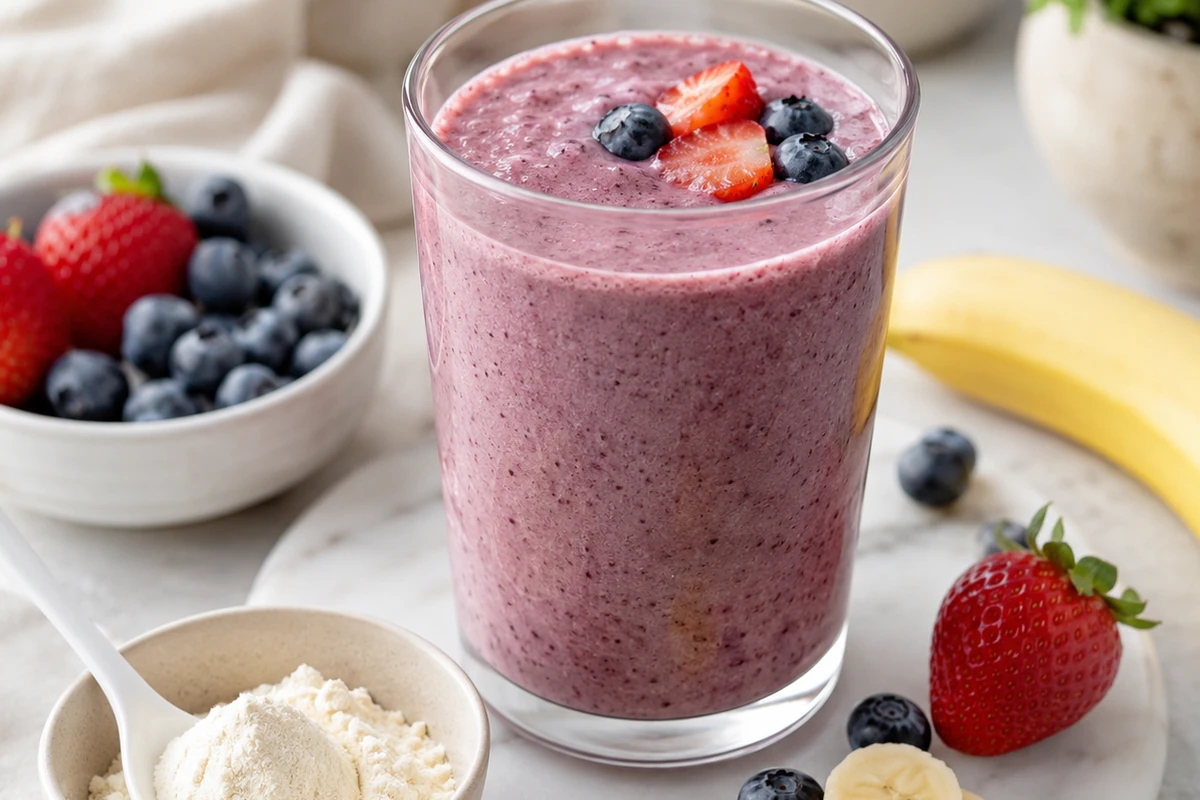
Collagen powder sounds simple: add a scoop and stir. In real life, it can clump in cold drinks, make oatmeal unexpectedly thick, leave dry pockets in yogurt, or turn a recipe rubbery when too much is added.
The easiest solution is to match the type of collagen powder to the food you are making.
Hydrolyzed collagen—usually sold as collagen peptides—is the flexible, everyday option. It can be mixed into hot or cold foods and normally does not form a gel. Gelatin powder behaves differently: it thickens and sets as it cools, which makes it useful for gummies, panna cotta, homemade jelly and other structured foods.
Below are practical collagen recipe ideas, plus an easy guide to heat, cold, clumping and texture.
First, Know Which Collagen Powder You Have
Hydrolyzed collagen or collagen peptides
These names usually describe the same general product: collagen that has been broken into smaller peptide chains. It is typically easy to dissolve and does not create the springy gel associated with gelatin.
This is the best all-purpose choice for drinks, breakfast foods, soups, sauces and baking.
Gelatin powder
Gelatin is derived from collagen, but its larger protein chains can form a heat-reversible gel. It is normally “bloomed” in cold liquid, gently warmed until dissolved and then chilled to set.
Do not substitute gelatin for collagen peptides scoop-for-scoop unless you actually want the recipe to thicken.
Multi-collagen powder
A multi-collagen powder may combine several animal sources or collagen types. The numbers on the label—such as types I, II, III, V or X—do not tell you how it will behave in the kitchen.
Look for the word hydrolyzed. If it is hydrolyzed, it will usually act more like collagen peptides. If the product contains gelatin, gums, creamers, sweeteners or flavouring, those ingredients may change its texture.
Bovine, marine, porcine and chicken collagen
The source can affect flavour, aroma, religious or dietary suitability and allergen concerns. For mixing purposes, however, the degree of hydrolysis and the added ingredients often matter more than whether the collagen came from cattle, fish or poultry.
Marine collagen may have a more noticeable aroma in lightly flavoured foods, depending on the product. Cocoa, coffee, berries, cinnamon, ginger and savoury broths can help cover it.
Native or undenatured type II collagen
This is a specialty product and is not the same as an ordinary scoop of collagen peptides. Follow its label rather than adding it freely to recipes, especially when heat is involved.
“Vegan collagen” products
True collagen comes from animal tissue. Products sold as vegan collagen are generally blends of nutrients, amino acids or plant ingredients intended to support the body’s own collagen production. Their mixing and cooking behaviour depends on the actual ingredients.
How Collagen Responds to Heat, Cold and Different Textures
| Situation | Collagen peptides | Gelatin |
|---|---|---|
| Hot coffee or tea | Usually dissolves readily | Dissolves, but may thicken as the drink cools |
| Cold water | Can clump unless dispersed well | Not the right direct-mix method |
| Smoothies | Blends well | Can create an odd thickness unless the recipe is designed for it |
| Yogurt or cottage cheese | Mixes well but may make it thicker | Can become lumpy or gel-like |
| Soup and broth | Easy to add | Can add body and may gel when refrigerated |
| Baking | Adds protein but may dry or firm the crumb | Changes structure and moisture more noticeably |
| Chilled desserts | Stays mostly fluid | Sets into a gel |
Does heat destroy collagen powder?
Ordinary cooking temperatures do not suddenly make collagen peptides useless, and hot drinks are one of the easiest ways to use them. Prolonged high heat can change flavour, browning and texture in any protein-containing recipe, so more is not always better.
For soup, sauce or oatmeal, adding collagen near the end of cooking often gives the smoothest result. In baking, use a modest amount rather than replacing flour or another structural ingredient scoop-for-scoop.
Why does collagen clump in cold liquid?
Fine powder can form a wet outer layer while dry powder remains trapped inside. That produces the familiar floating “collagen islands.”
For collagen peptides, use one of these methods:
- 1. Put the liquid in the glass or blender first.
- 2. Sprinkle the powder in gradually while stirring.
- 3. Make a smooth paste with a small amount of room-temperature liquid before adding the rest.
- 4. Use a milk frother, shaker bottle or blender.
- 5. Let the drink sit for a minute, then stir again.
Gelatin needs a different technique: sprinkle it evenly over cold liquid, let it bloom, and then warm it gently until fully dissolved.
Six Simple Collagen Recipes
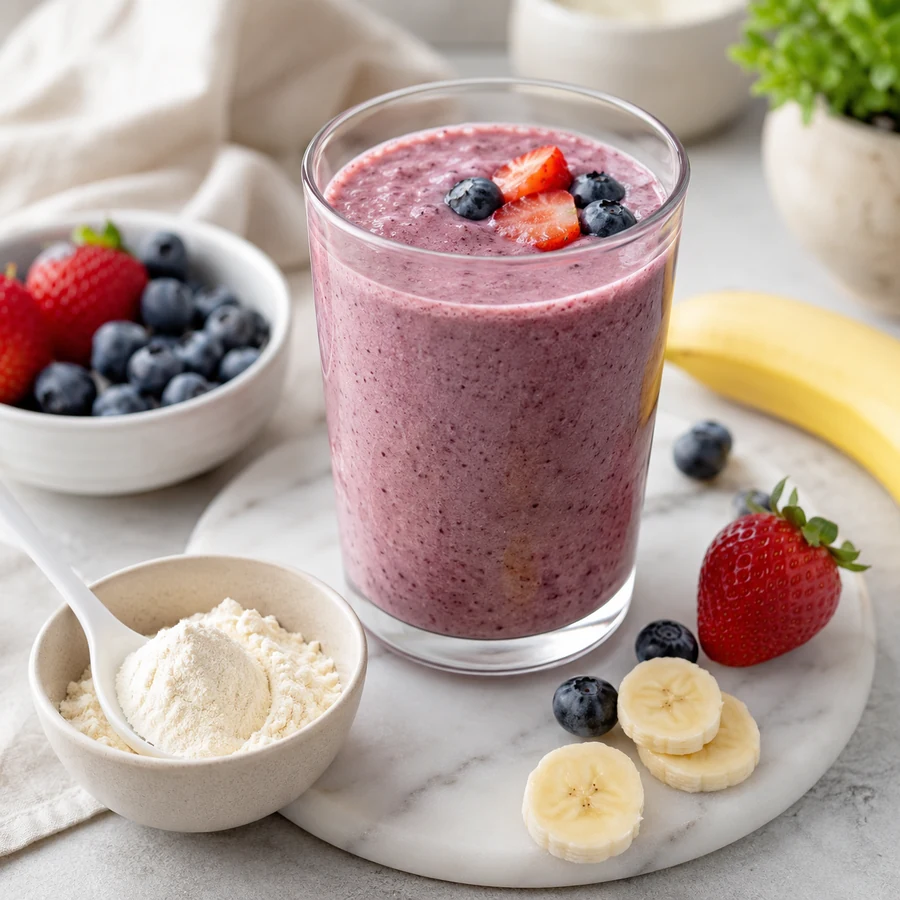
Berry Banana Collagen Smoothie
This is one of the easiest cold options because the blender handles the mixing and the fruit covers almost any mild collagen flavour.
Ingredients
- 1 cup milk or unsweetened non-dairy beverage
- 1 cup frozen mixed berries
- ½ banana
- ½ to 1 label serving unflavoured collagen peptides
- 1 tablespoon chia seeds or ground flaxseed, optional
- Ice or extra liquid as needed
Method
Add the liquid first, followed by collagen powder, fruit and the remaining ingredients. Blend until smooth. Add more liquid if the smoothie becomes thicker than you like.
Texture tip: Collagen plus chia can thicken quickly. Start with less chia or add another splash of liquid.
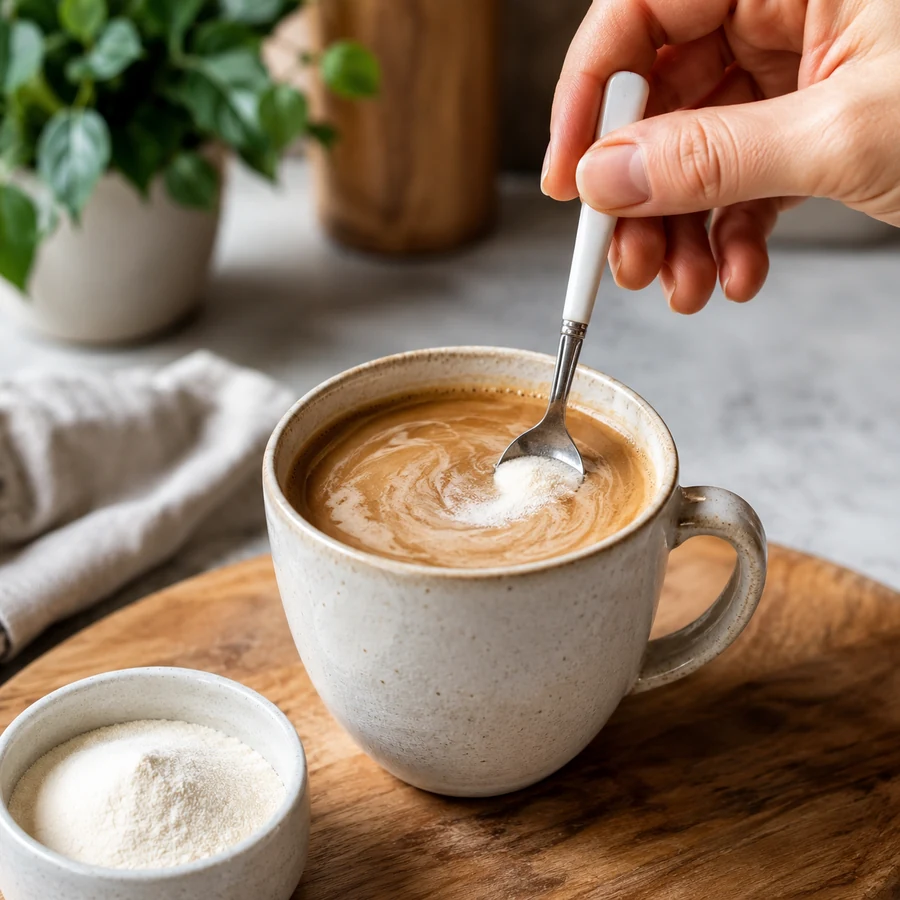
Creamy Collagen Coffee
Coffee works especially well with unflavoured bovine collagen peptides or a collagen creamer designed for hot drinks.
Ingredients
- 1 cup hot coffee
- ½ to 1 label serving collagen peptides
- Milk or cream, optional
- Cinnamon, cocoa or vanilla, optional
Method
Place the collagen in the mug, add two tablespoons of hot coffee and stir into a smooth paste. Add the remaining coffee and froth or stir well.
Texture tip: A handheld frother makes the drink smoother, but aggressive frothing can produce a layer of protein foam. Let it settle briefly before drinking.
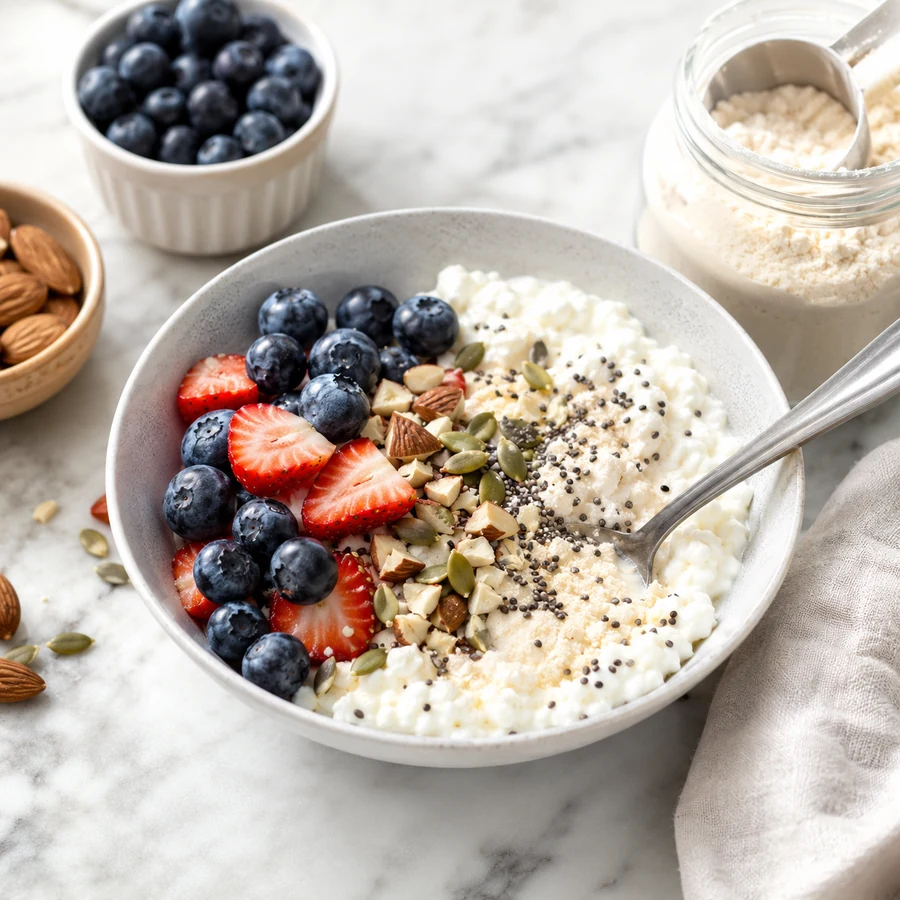
Berry Collagen Yogurt Bowl
This works with Greek yogurt, regular yogurt, skyr or cottage cheese.
Ingredients
- ¾ cup plain yogurt or cottage cheese
- ½ label serving collagen peptides
- ½ cup berries
- 1 tablespoon chopped nuts or pumpkin seeds
- A small drizzle of honey or maple syrup, optional
Method
Mix the collagen with one teaspoon of milk or water to make a smooth paste. Stir it into the yogurt, then add the toppings.
Texture tip: Collagen usually thickens yogurt slightly. Add a spoonful of milk if it becomes too dense.
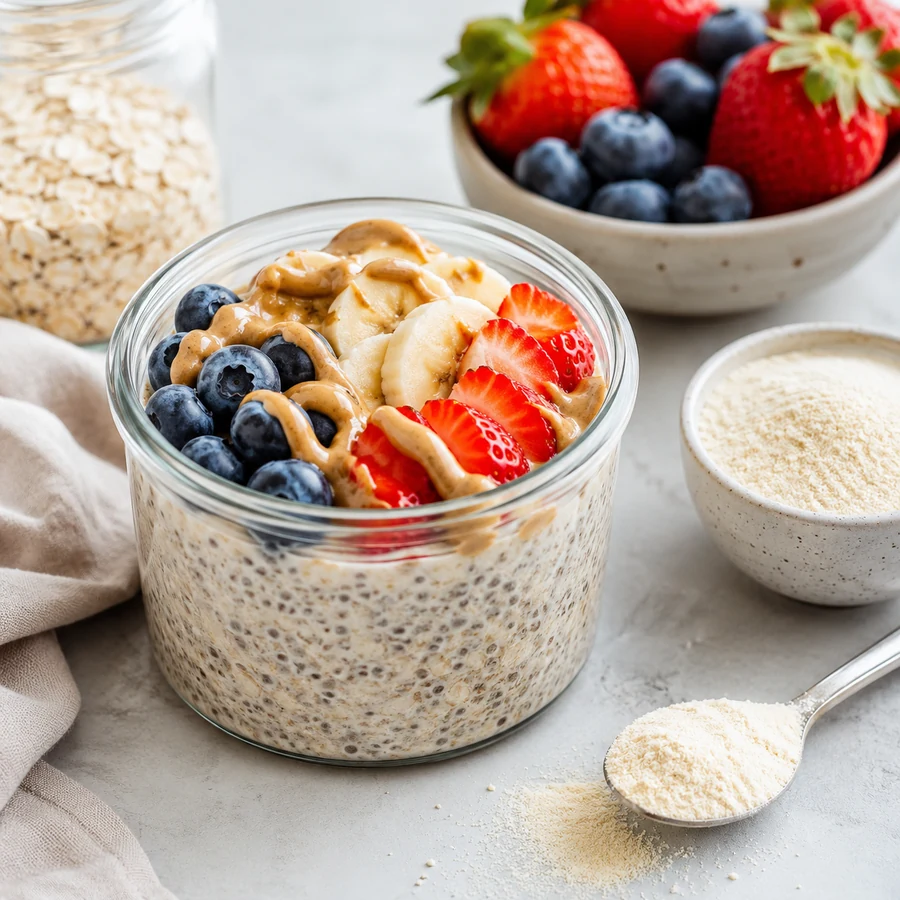
Overnight Collagen Oats
Adding the collagen to the liquid before the oats helps prevent dry pockets.
Ingredients
- ½ cup rolled oats
- ¾ cup milk or unsweetened non-dairy beverage
- ½ label serving collagen peptides
- 1 tablespoon chia seeds, optional
- ½ teaspoon cinnamon
- Fruit and nut butter for topping
Method
Whisk the collagen into the milk. Stir in the oats, chia and cinnamon. Refrigerate overnight and add the toppings before serving.
Texture tip: Chia, oats and collagen all absorb or hold water. Check the mixture in the morning and loosen it with more milk.

Savoury Collagen Chicken Soup
Unflavoured peptides disappear easily into brothy soups, blended vegetable soups and stews.
Ingredients
- 2 cups prepared chicken and vegetable soup
- ½ to 1 label serving unflavoured collagen peptides
- Black pepper, parsley or lemon to finish
Method
Spoon a little warm broth into a cup and whisk in the collagen. Stir the mixture back into the soup shortly before serving.
Texture tip: Avoid dumping a large scoop onto the surface of a simmering pot. A small broth slurry spreads it more evenly.
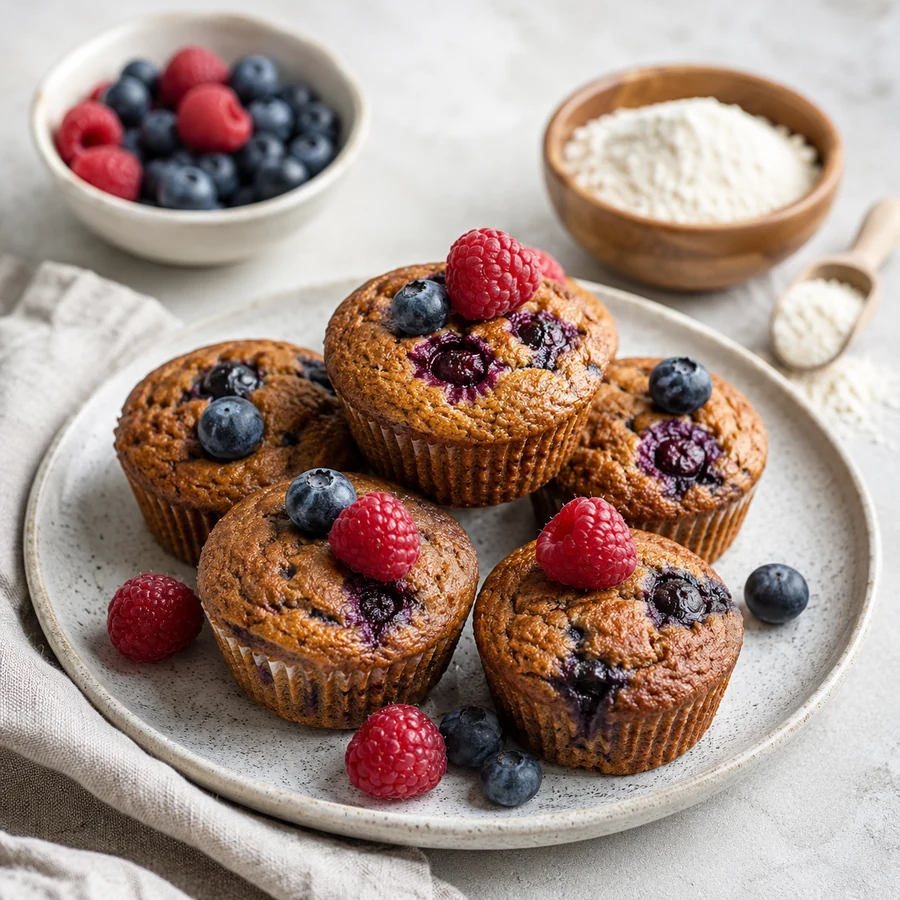
Berry Collagen Muffins
Collagen can be added to baking, but it should not replace all-purpose flour, oat flour or almond flour directly.
Ingredients
- Your usual 10- to 12-muffin batter
- 2 to 4 tablespoons unflavoured collagen peptides
- ¾ cup fresh or frozen berries
Method
Whisk the collagen thoroughly into the dry ingredients, then finish the batter as usual. Fold in the berries and bake according to the original recipe.
Texture tip: Too much collagen can make muffins dry, dense or slightly rubbery. Begin with two tablespoons per batch and adjust in later batches.
Nine More Interesting Ways to Use Collagen Powder
Stir it into warm oatmeal
Cook the oatmeal first, remove it from the heat and stir in collagen peptides. Add milk afterward to restore the texture.
Blend it into mashed sweet potato or cauliflower
Whisk unflavoured peptides into the warm mash along with olive oil, butter or milk. Savoury seasoning hides any mild aftertaste.
Add a small amount to scrambled eggs
Whisk one or two teaspoons into the eggs before cooking. Keep the amount modest; too much added protein can make eggs firm or rubbery.
Mix it into sauces and gravy
Make a smooth slurry with warm water or broth before stirring it into tomato sauce, curry, cheese sauce or gravy. Collagen peptides are not a replacement for cornstarch or flour when thickening is the goal.
Add it to pancakes or waffles
Mix two to four tablespoons into a full batch of dry ingredients. The batter may need an extra splash of milk.
Work it into nut butter energy bites
Combine oats, nut or seed butter, dates or honey, and collagen peptides. If the mixture becomes crumbly, add liquid one teaspoon at a time.
Blend it into applesauce or fruit purée
A strongly flavoured fruit base makes an easy snack and can hide the taste of marine collagen. Mix the powder with a spoonful of purée first, then combine.
Freeze it into yogurt pops
Blend yogurt, fruit and collagen peptides before freezing. Hydrolyzed peptides will not create the firm gel that gelatin does, but they may slightly change creaminess.
Use gelatin for gummies, panna cotta or homemade jelly
This is where gelatin—not collagen peptides—is the correct choice. Bloom it in cold liquid, dissolve it gently and chill according to the package instructions. Gel strengths vary, so follow the product’s ratio rather than assuming every gelatin powder is identical.
The Best Flavours for Hiding Collagen
Unflavoured collagen is not always completely flavourless. These ingredients are especially useful when the powder has a mild savoury, bitter or marine note:
- Coffee, espresso and cocoa
- Berries, cherries and pomegranate
- Banana and nut butter
- Cinnamon, ginger and vanilla
- Tomato, curry and roasted vegetable soups
- Lemon, herbs, garlic and black pepper
Start with half a serving in a familiar food. Once you know how that particular product tastes and behaves, increase it if desired.
A Practical Note About Protein and Back Pain
Collagen is a structural protein, and research has examined collagen supplements for outcomes such as joint symptoms, skin hydration and connective-tissue support. Results are encouraging in some areas, but studies use different products, doses and populations.
Collagen powder should not be presented as a proven treatment for back pain. Think of it as one possible food or supplement ingredient within a broader eating pattern—not as a replacement for medical care, movement, rehabilitation, sleep or a balanced intake of protein.
Collagen is also considered an incomplete protein because it lacks tryptophan and is low in some other essential amino acids. It should not replace varied protein foods such as eggs, dairy, fish, meat, soy, legumes, nuts and seeds.
Vitamin C is required for the body’s own collagen synthesis, so it is sensible to include vitamin C-rich foods—such as berries, citrus fruit, kiwi, bell peppers and broccoli—in the overall diet.
Safety and Shopping Tips
- Check the animal source if you have fish, shellfish, egg or other food allergies.
- Collagen is not vegetarian or vegan.
- Choose a product with a clear ingredient list and serving size.
- Flavoured powders may contain sweeteners, gums, creamers or other ingredients that affect taste and texture.
- Follow the label for specialty products, especially native or undenatured type II collagen.
- Dietary supplements are not a substitute for medical treatment. Speak with a qualified healthcare professional if you have kidney disease, significant food allergies, are pregnant, take multiple medications or are unsure whether a supplement fits your situation.
Frequently Asked Questions
Can collagen powder go into hot coffee?
Hydrolyzed collagen peptides generally mix well into hot coffee. Stir them into a small amount of coffee first or use a frother to reduce clumping.
Can collagen powder go into cold water?
Yes, collagen peptides can be used in cold water, but they may require vigorous stirring, shaking or blending. Gelatin should normally be bloomed and dissolved rather than shaken directly into cold water.
Is collagen powder the same as gelatin?
No. Both come from collagen, but collagen peptides are more extensively hydrolyzed and usually remain fluid. Gelatin forms a gel as it cools.
Can I bake with collagen peptides?
Yes. Add a modest amount to the dry ingredients. Too much may make baked goods dry, dense or rubbery.
Why did collagen make my oatmeal or yogurt too thick?
The powder adds solids and can alter water retention. Stir in additional milk or water and use a smaller amount next time.
Does marine collagen work differently from bovine collagen?
Both can be sold as hydrolyzed peptides and used similarly. Product formulation and degree of hydrolysis often have more influence on mixing than the animal source, although flavour and aroma can differ.
Is collagen a complete protein?
No. Collagen lacks tryptophan and should not be your only major protein source.
References and further reading
- Collagen and gelatin: structure, properties and food applications
- Hydrolyzed collagen applications in foods and beverages
- Systematic review and meta-analysis of collagen supplementation and knee osteoarthritis
- Collagen peptides and indispensable amino-acid balance
- NIH vitamin C fact sheet for health professionals
- NIH dietary-supplement guidance for consumers
The Bottom Line
For everyday food ideas, choose hydrolyzed collagen peptides and begin with a small amount. Add them to liquid gradually, use a blender or frother for cold drinks, and compensate with a little extra moisture in thick foods and baking.
Choose gelatin when you intentionally want a chilled recipe to set.
The best collagen routine is not the most complicated one. It is the one that fits naturally into food you already enjoy.