Food for Back Pain • Real Food Ideas
Ceylon Cinnamon: Softer, Sweeter, and Far More Interesting Than a Dusting on Oatmeal
Ceylon cinnamon can make cold yogurt taste warmer, turn a plain pear into something that smells baked, soften the bitterness of cacao and quietly deepen a savoury stew. The trick is knowing how much to use, when to add it, and what happens to the taste and texture when the food is hot, cold, creamy or crisp.
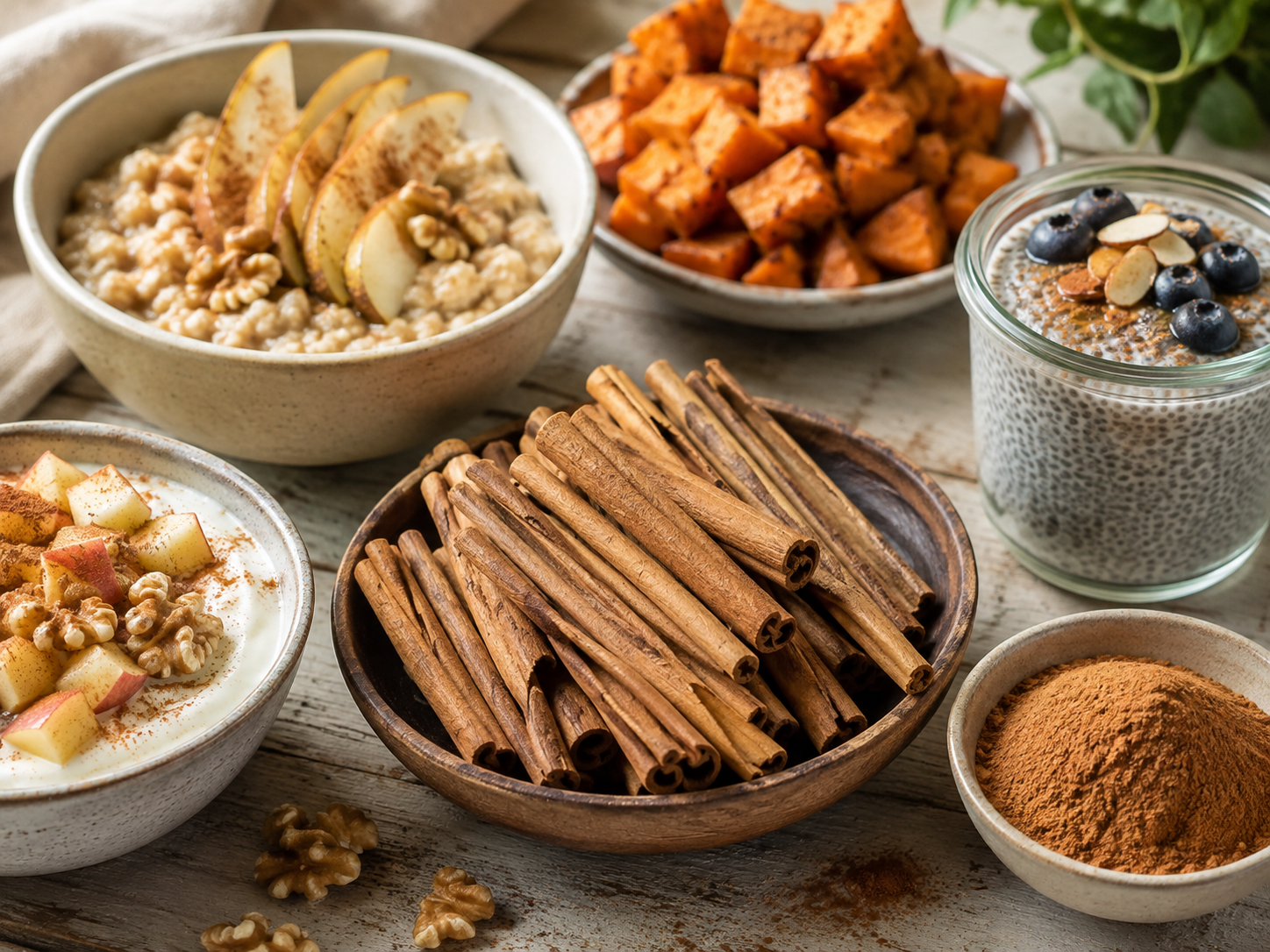
Most people know cinnamon as the brown powder that lands on oatmeal, toast or an apple pie. But there is an important question hiding inside the word cinnamon: which cinnamon?
The version I am talking about here is Ceylon cinnamon, Cinnamomum verum, often called true cinnamon. It is not quite the same sensory experience as the darker, punchier cassia cinnamon that dominates many supermarket spice shelves.
Ceylon cinnamon is usually lighter and more delicate. It is warm without being aggressively hot, sweet-smelling without containing sugar, lightly woody, a little floral and sometimes almost citrusy. In the right food, it can make something taste sweeter even when you have not actually added much sweetness.
Ceylon cinnamon is not just a baking spice. Think of it as a fragrant layer you can move through hot food, cold food, breakfast, snacks, vegetables and even savoury meals.
What Ceylon cinnamon actually tastes and feels like
In a cold thick food such as Greek yogurt, the powder becomes almost invisible after a good stir. The flavour stays gentle and slightly floral. In a thin cold drink, however, cinnamon can float, clump or leave a dry powdery sensation unless you blend it.
In warm oatmeal or hot cacao, the heat opens the aroma quickly. You perceive more cinnamon before the spoon even reaches your mouth. In roasted foods, the cinnamon becomes deeper and toastier, especially where it meets natural sugars in apples, pears, carrots or sweet potatoes.
Ceylon cinnamon versus cassia: they are not interchangeable
That coumarin difference matters when somebody uses cinnamon frequently. Analyses of authenticated cinnamon bark consistently find only trace or very low coumarin in C. verum, while cassia species can contain substantially more. That does not make ordinary cassia use automatically dangerous, but it is one reason I prefer Ceylon cinnamon when cinnamon is becoming a regular everyday food rather than an occasional pinch.
The health research around cinnamon is interesting but messy. Different studies use different species, extracts and doses, so we should not pretend every trial of “cinnamon” applies equally to a teaspoon of Ceylon cinnamon in breakfast. Food for Back Pain treats it first as a real culinary ingredient with an interesting phytochemical profile, not as a drug.
The product
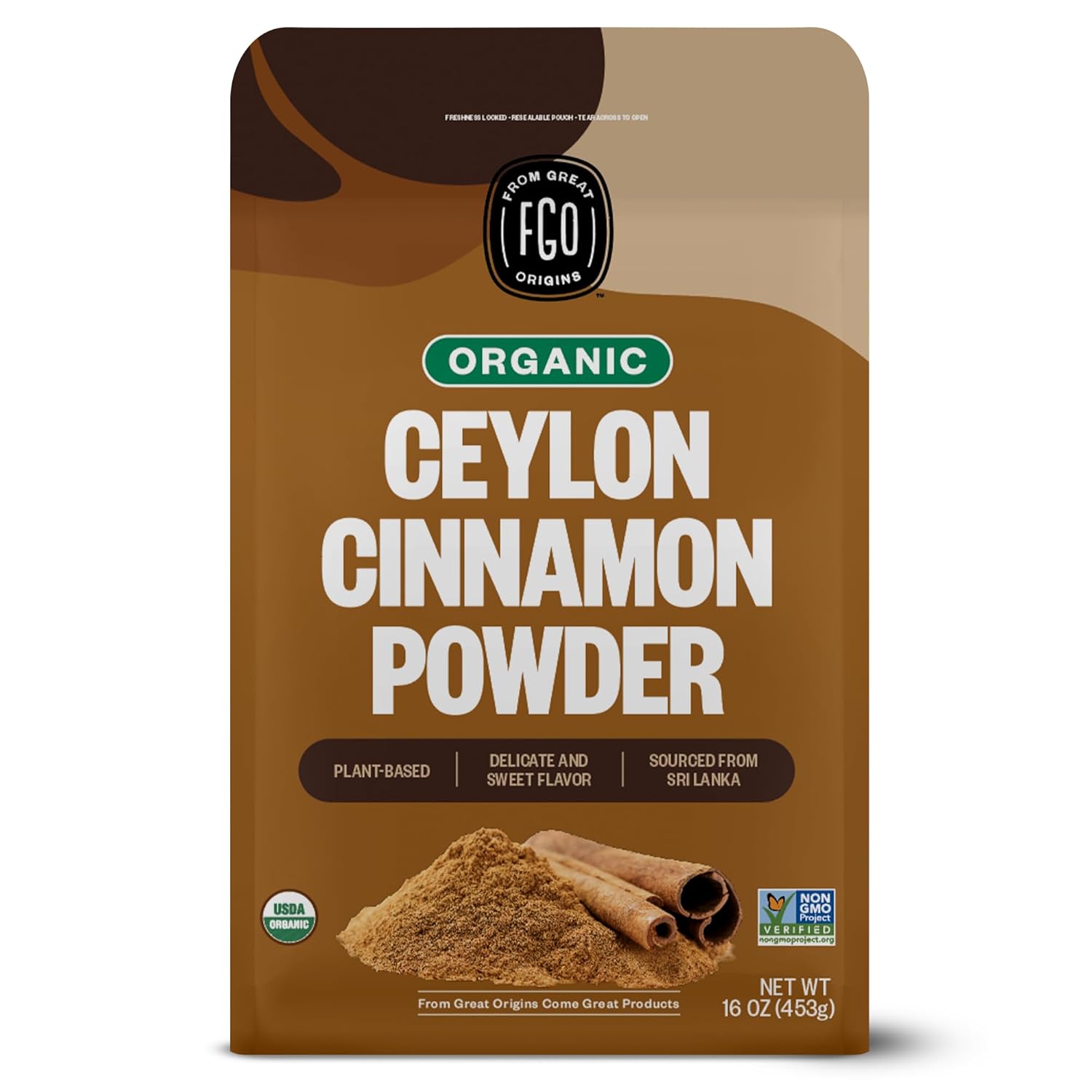
The Ceylon cinnamon I recommend
This is the organic Ceylon cinnamon powder featured on Food for Back Pain. Look specifically for Ceylon cinnamon, Cinnamomum verum, rather than simply assuming every package labelled cinnamon is the same thing.
Buy Ceylon Cinnamon on AmazonAmazon affiliate link. If you purchase through this link, Food for Back Pain may earn a small commission at no extra cost to you.
How much should you use in food?
For flavour, ¼ teaspoon is a useful starting point for one serving. In a strongly flavoured or larger dish, ½ teaspoon may work beautifully. Ceylon cinnamon is more delicate than cassia, so you can often use a little more without the food becoming harsh.
| Food | Good starting amount | Best time to add |
|---|---|---|
| Yogurt, cottage cheese, chia pudding | ¼ tsp per bowl | Whisk in before toppings |
| Oatmeal or porridge | ¼ to ½ tsp per bowl | During the final minutes and a pinch on top |
| Smoothie | ¼ tsp | Blend with the liquid and fruit |
| Hot cacao or coffee | ⅛ to ¼ tsp | Whisk or froth into the hot liquid |
| Roasted vegetables | ½ tsp for a sheet pan | Toss on before roasting |
| Stew or lentils | ⅛ to ¼ tsp for 2 to 4 servings | Add with the other spices early |
The point is not to chase a heroic cinnamon dose. Start where the food tastes better. You can always add another pinch.
10 real food ideas for Ceylon cinnamon
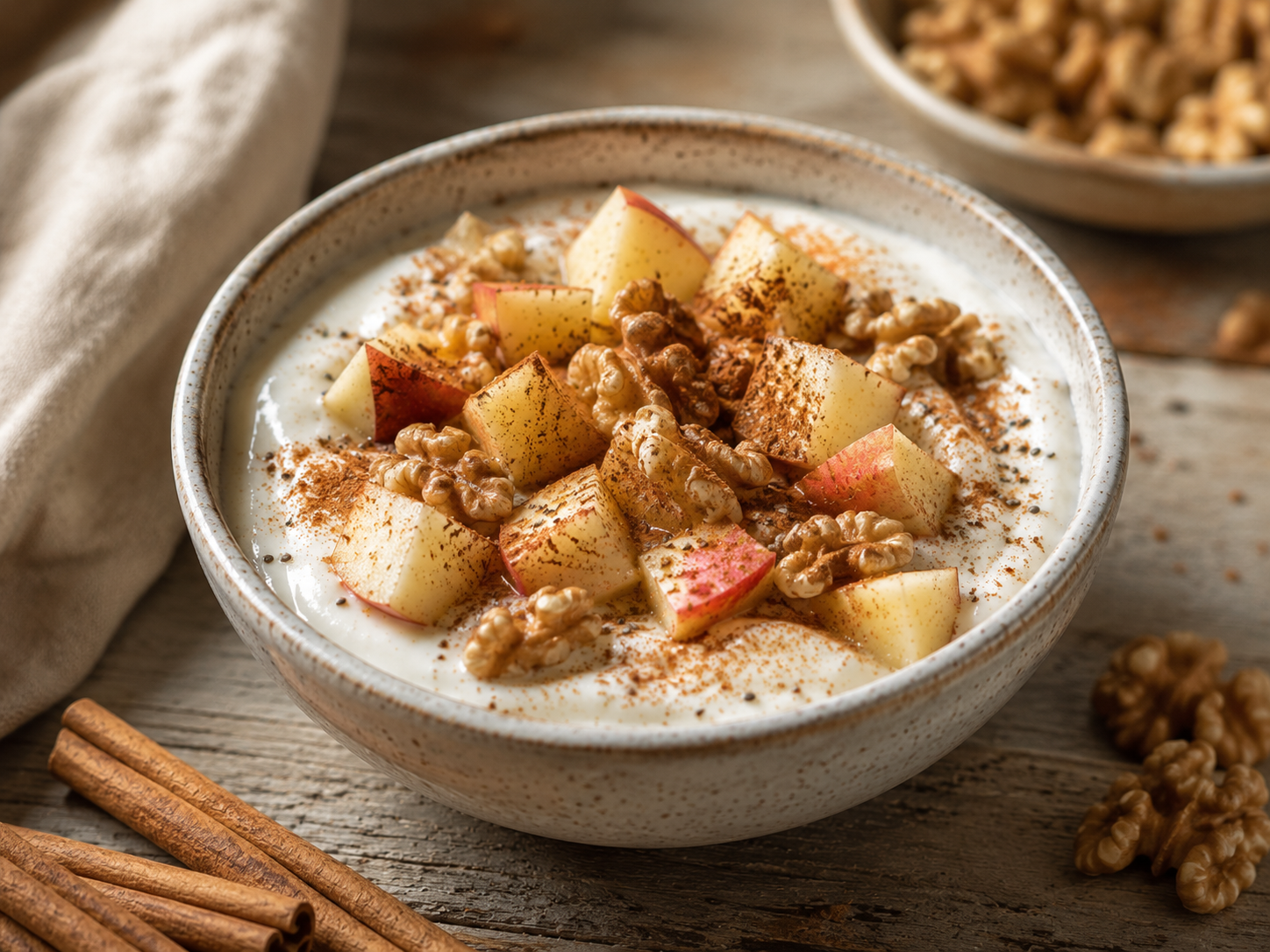
1. Apple Cinnamon Greek Yogurt Bowl
- ¾ to 1 cup plain Greek yogurt
- ½ crisp apple, diced
- ¼ teaspoon Ceylon cinnamon
- 1 tablespoon chopped walnuts
- 1 teaspoon chia or hemp seed
- Small drizzle of raw honey, optional
How: Stir the cinnamon completely into the cold yogurt first. Add the apple and walnuts only after the yogurt is smooth, then finish with seeds and a little honey if the apple needs it.
Taste: Cool tangy yogurt gets a warm, sweet-smelling edge. The apple becomes more dessert-like without needing much honey.
Texture: Thick and creamy with crisp apple and crunchy walnut. The cinnamon disappears into the yogurt instead of sitting dry on top.
Temperature: Best cold, straight from the refrigerator.
Why this works: Fat and protein in the yogurt soften cinnamon's dry powderiness, while apple supplies the flavour association most people already love.
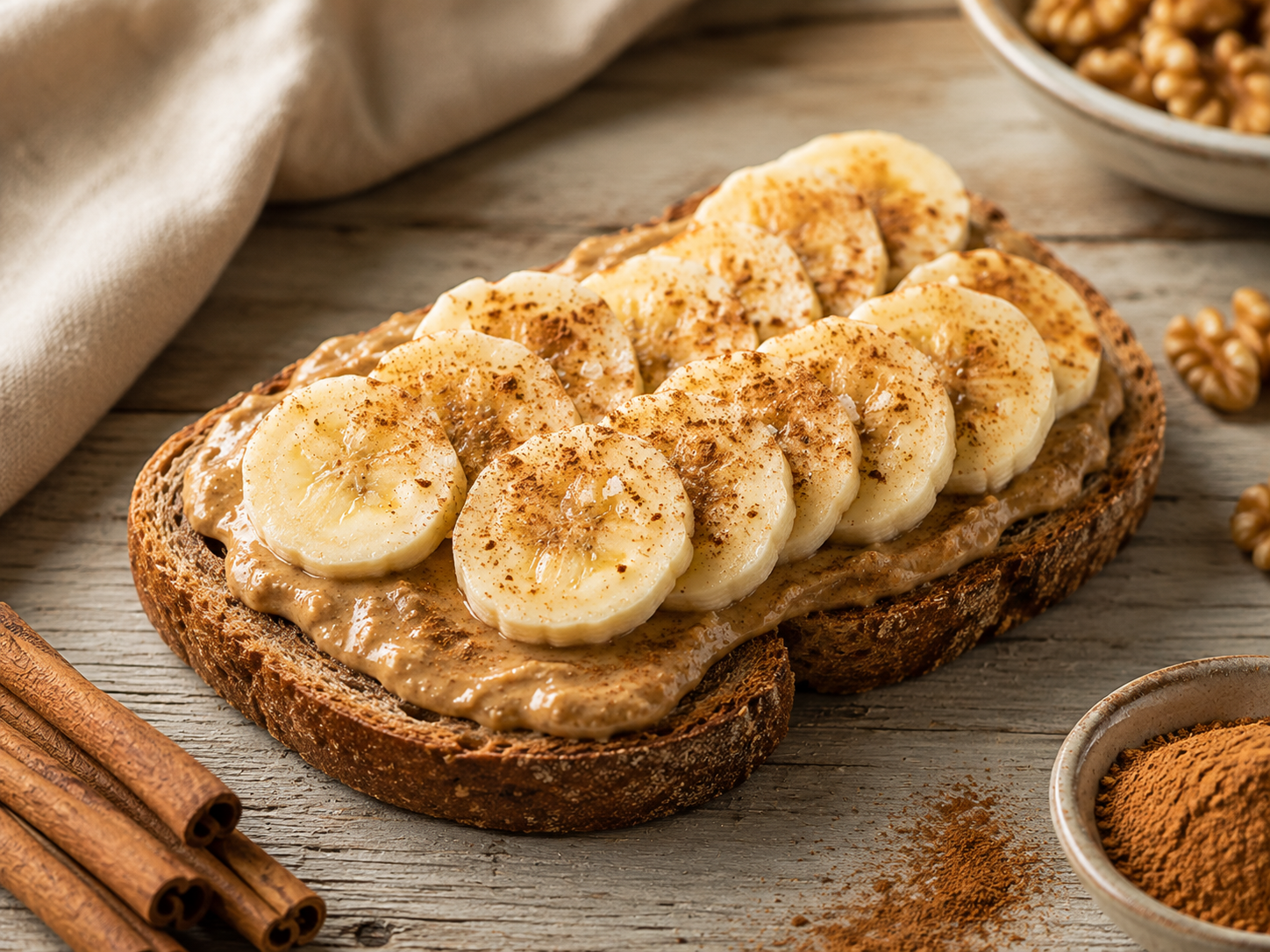
2. Ceylon Cinnamon Banana Nut Butter Toast
- 1 slice whole-grain or sourdough toast
- 1 tablespoon almond or peanut butter
- ½ banana, sliced
- ⅛ to ¼ teaspoon Ceylon cinnamon
- Pinch of sea salt, optional
How: Toast the bread, spread on the nut butter while the toast is still warm, add banana, then dust the cinnamon over the moist banana and nut butter rather than onto dry bread.
Taste: Nutty, sweet and fragrant. The cinnamon makes ripe banana taste almost caramelized even though nothing has been cooked beyond the bread.
Texture: Crisp toast, sticky nut butter and soft banana. The moist toppings catch the cinnamon so it does not feel dusty.
Temperature: Best warm or room temperature.
Amount: Start with ⅛ teaspoon. This is a small surface area and too much can dominate quickly.
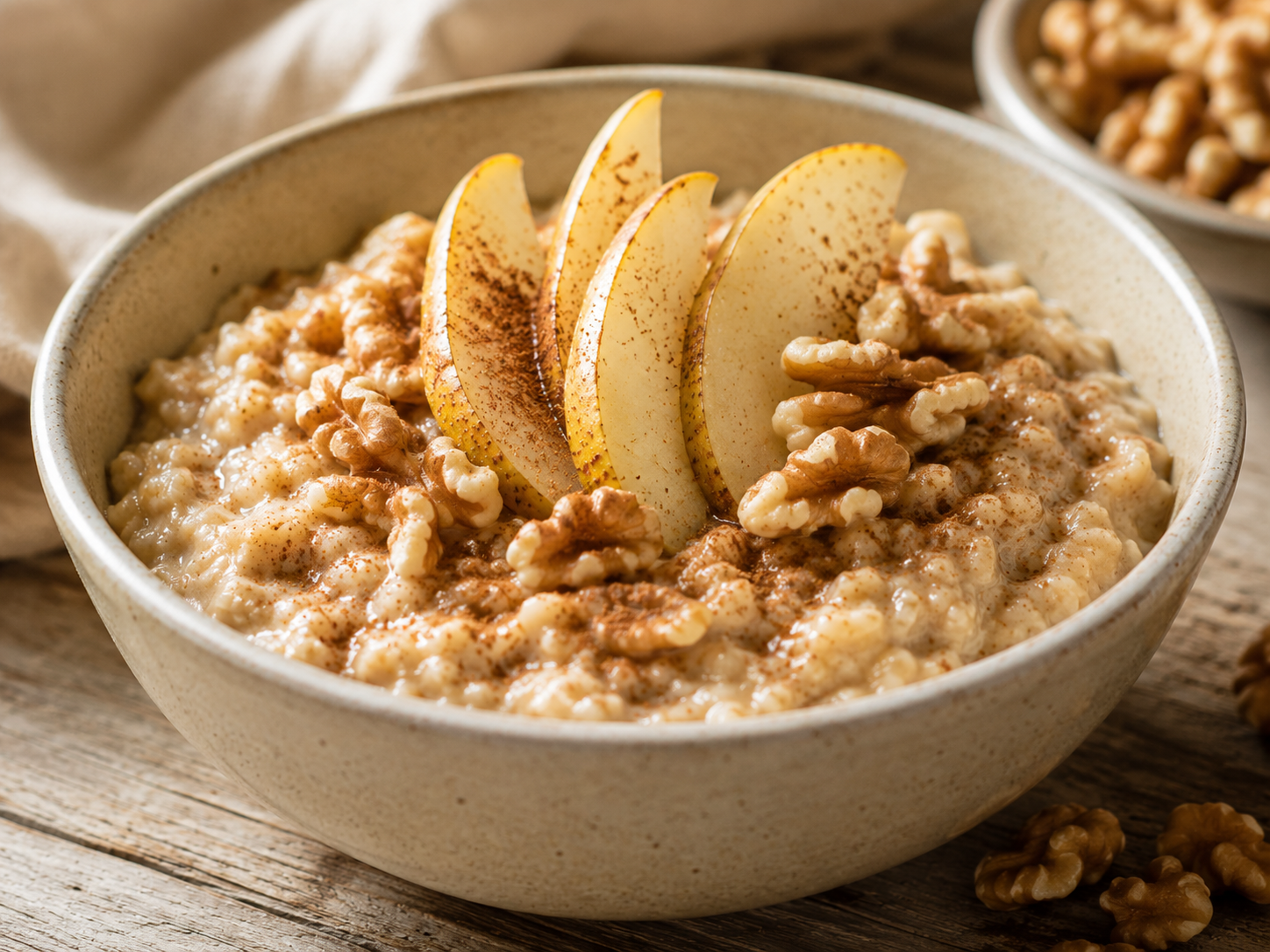
3. Warm Cinnamon Oatmeal with Pear and Walnuts
- ½ cup rolled oats
- 1 cup water or milk of choice
- ½ ripe pear, diced
- ¼ to ½ teaspoon Ceylon cinnamon
- 1 tablespoon walnuts
- Pinch of salt
How: Cook the oats and pear together. Stir in most of the cinnamon during the final minute, then add a small fresh pinch after the bowl comes off the heat.
Taste: The cooked pear becomes mellow and honey-like. Cinnamon added during cooking tastes deeper; the final pinch stays brighter and more floral.
Texture: Soft, thick and spoonable with occasional walnut crunch. Cinnamon blends seamlessly into the starch of the oats.
Temperature: Best hot to warm.
Why two additions? Cooking builds depth; finishing preserves more of the delicate aroma.
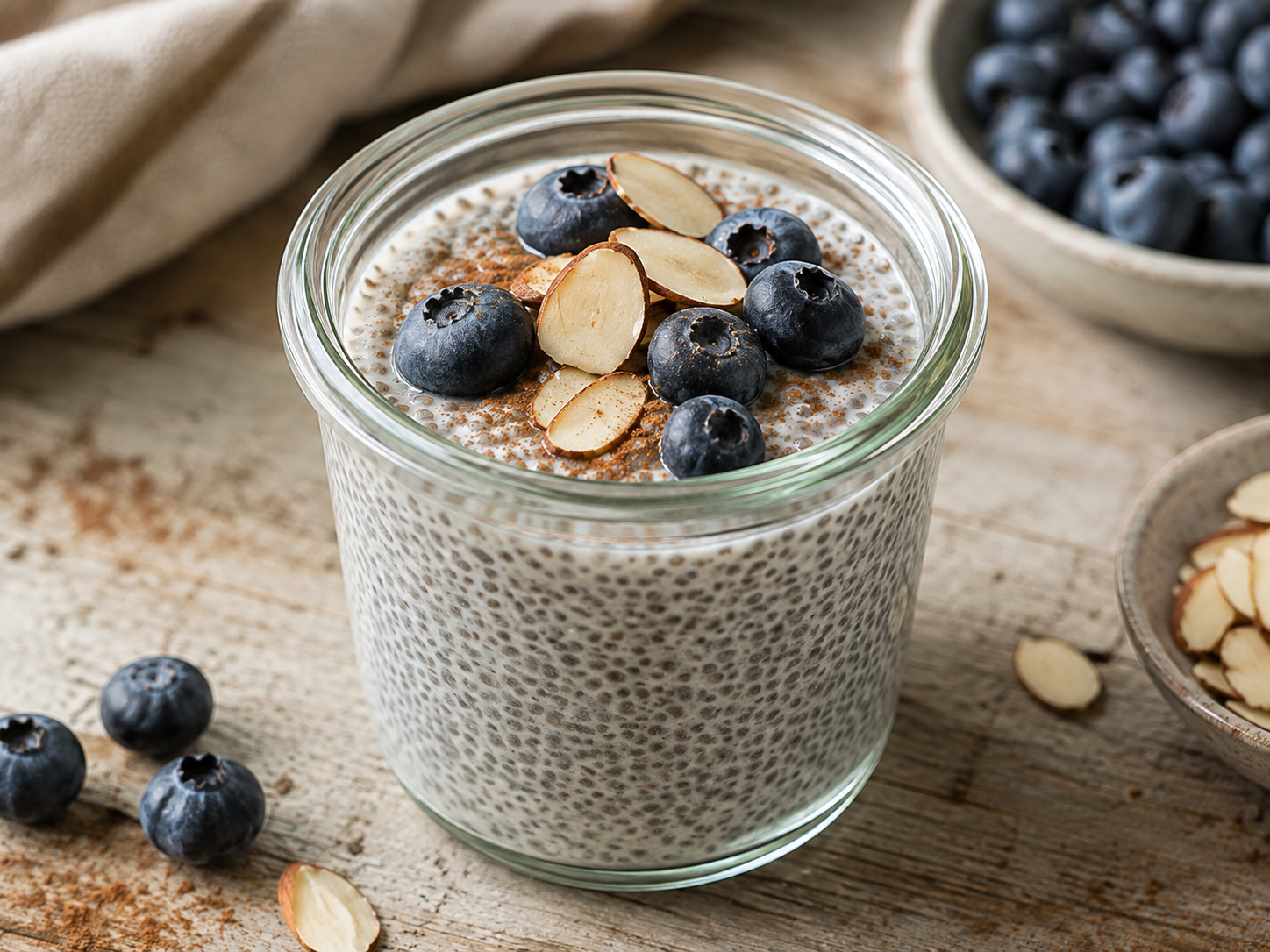
4. Cold Cinnamon Chia Pudding
- 3 tablespoons chia seeds
- ¾ cup milk or unsweetened plant milk
- ¼ teaspoon Ceylon cinnamon
- ½ teaspoon vanilla, optional
- Berries or chopped pear
How: Whisk the cinnamon into the liquid first, then whisk in the chia. Stir again after 5 to 10 minutes and refrigerate for several hours or overnight.
Taste: Mild, cool and gently sweet-smelling. Vanilla makes Ceylon cinnamon's floral side more obvious.
Texture: Thick, gelled and slightly seedy. Pre-mixing the cinnamon prevents brown dry pockets.
Temperature: Best cold.
Important texture trick: Cinnamon will not dissolve in cold milk. Whisking before the chia thickens gives it a chance to disperse evenly.
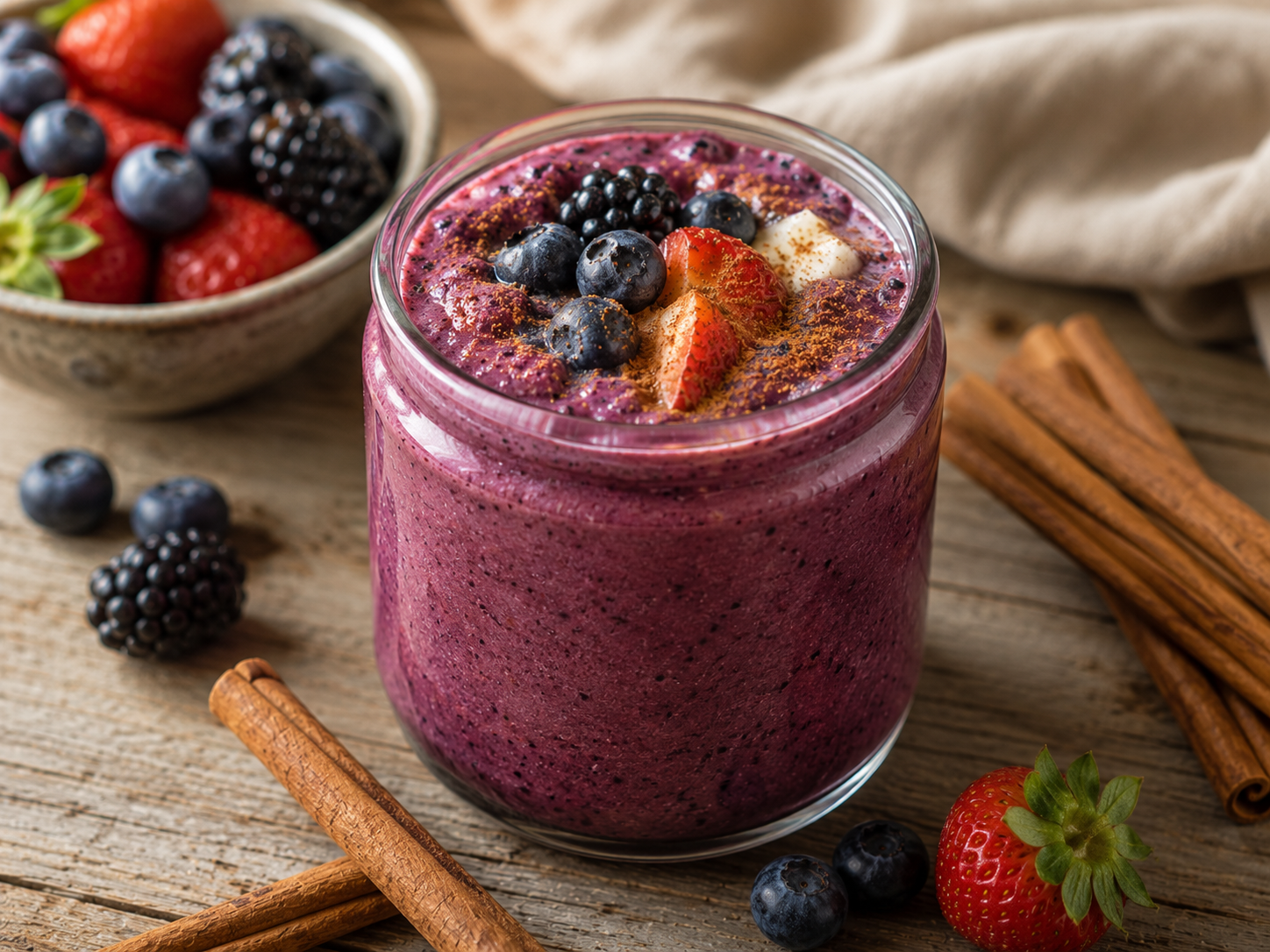
5. Ceylon Cinnamon Berry Smoothie
- 1 cup frozen mixed berries
- ½ banana
- ¾ to 1 cup kefir, yogurt and water, or milk of choice
- ¼ teaspoon Ceylon cinnamon
- 1 tablespoon hemp or chia seed, optional
How: Put the liquid in first, then cinnamon, fruit and any seeds. Blend until completely smooth.
Taste: Berries stay tart and fresh while cinnamon adds a warmer middle note. Banana rounds the edges and makes the cinnamon seem sweeter.
Texture: Thick and icy if made with frozen fruit. Blending is one of the best ways to remove cinnamon's powdery feel completely.
Temperature: Best cold.
Pairing note: Use a light hand. Too much cinnamon can mute delicate berry flavour.
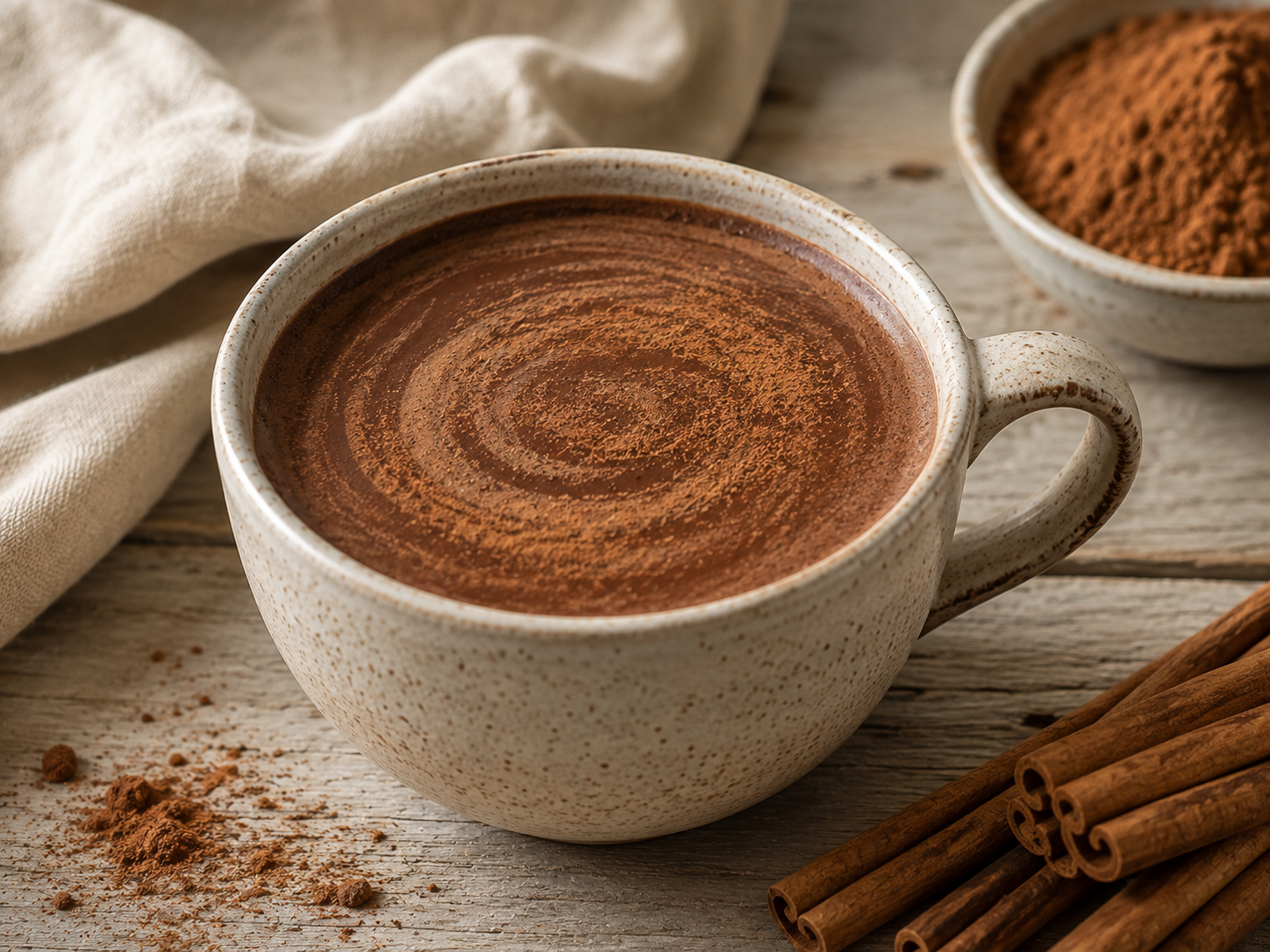
6. Ceylon Cinnamon Cacao
- 1 cup milk or unsweetened plant milk
- 1 tablespoon unsweetened cacao
- ⅛ to ¼ teaspoon Ceylon cinnamon
- Small amount of raw honey or maple syrup if desired
- Pinch of salt
How: Warm the milk gently. Whisk cacao, cinnamon and salt with a splash of the warm liquid to make a smooth paste, then whisk that paste back into the cup.
Taste: Cacao is bitter and deep; Ceylon cinnamon adds sweetness to the aroma and makes the drink taste rounder before you add any sweetener.
Texture: Smooth if you make the paste first. Dumping dry cacao and cinnamon into a full cup is much more likely to leave floating clumps.
Temperature: Best hot but not violently boiling.
Amount: ⅛ teaspoon gives background warmth. ¼ teaspoon makes cinnamon clearly identifiable.
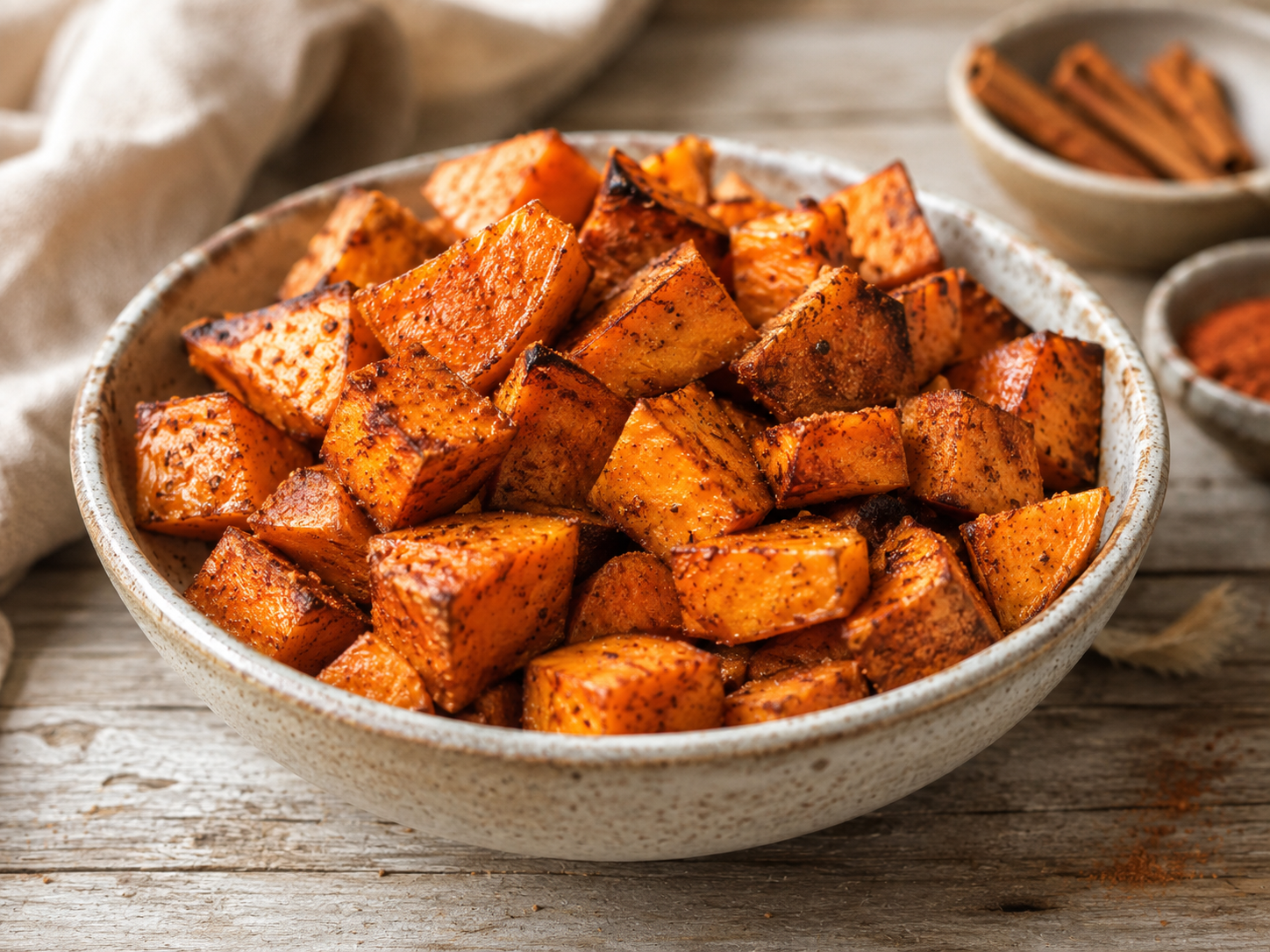
7. Roasted Cinnamon Sweet Potato
- 1 medium sweet potato, cubed
- 1 teaspoon olive oil
- ¼ teaspoon Ceylon cinnamon
- Pinch of salt
- Black pepper or smoked paprika, optional
How: Toss everything together and roast at about 425°F / 220°C until browned at the edges and tender inside, turning once.
Taste: Roasting brings out the potato's natural sweetness while cinnamon moves from floral to deeper and toastier. Salt keeps the dish from becoming dessert.
Texture: Crisp browned edges with a soft centre. Cinnamon adheres to the thin film of oil rather than remaining loose and dusty.
Temperature: Best hot or warm.
Savoury option: Add smoked paprika and black pepper. The cinnamon becomes a background spice rather than a sweet flavour.
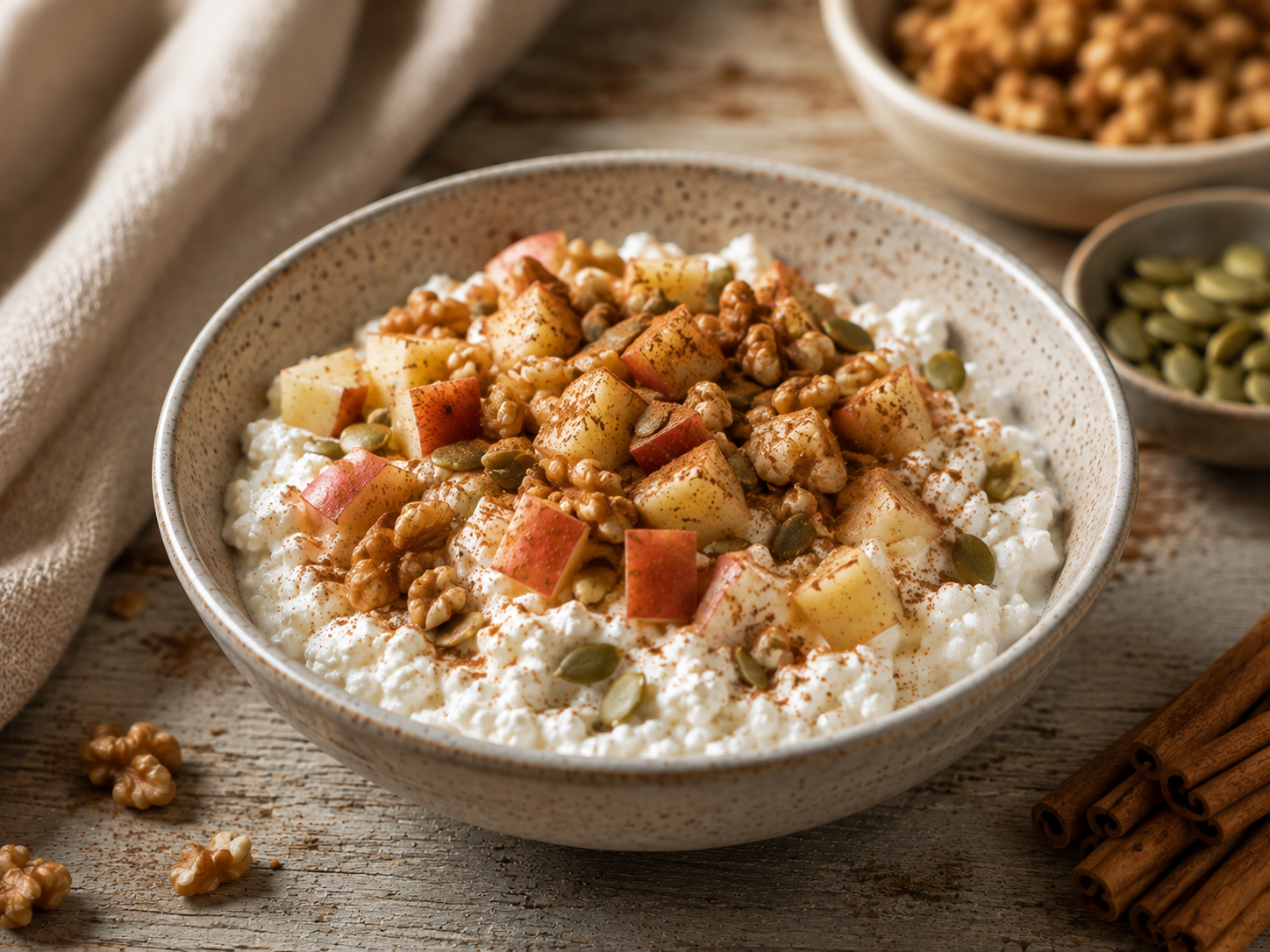
8. Cinnamon Apple Cottage Cheese Bowl
- ¾ cup cottage cheese
- ½ apple or pear, diced
- ¼ teaspoon Ceylon cinnamon
- 1 tablespoon pumpkin seeds or walnuts
- Small drizzle of honey, optional
How: Stir the cinnamon into the cottage cheese before adding fruit. If you dislike the curd texture, blend the cottage cheese first and turn it into a smooth cinnamon cream.
Taste: Mildly salty dairy makes the cinnamon taste surprisingly sweet. Crisp fruit keeps the bowl bright rather than heavy.
Texture: Either curdy and crunchy or, if blended, completely smooth and pudding-like.
Temperature: Best cold.
Why it works: Cinnamon handles both sweet and savoury notes, so the natural saltiness of cottage cheese is not a problem.
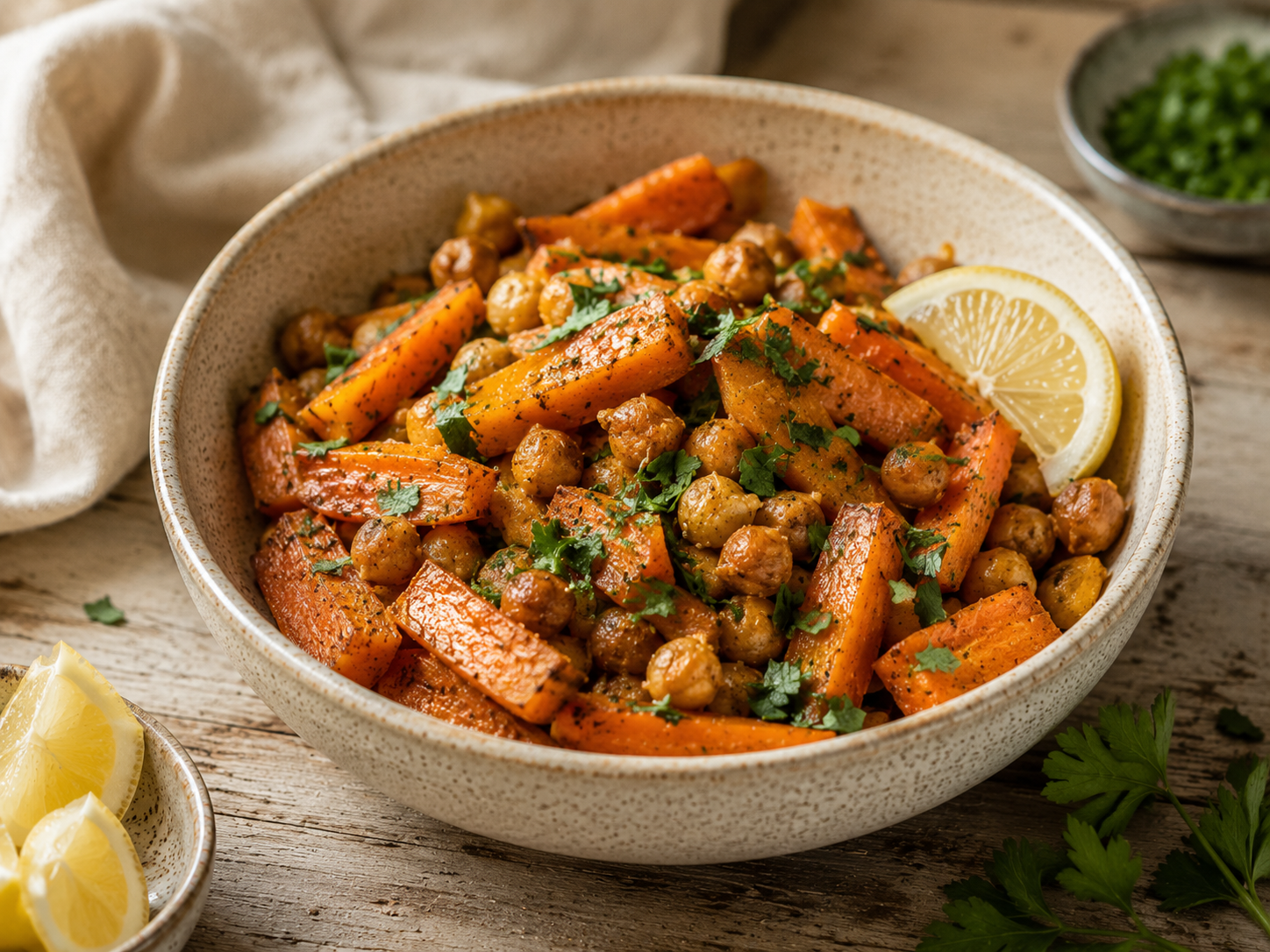
9. Ceylon Cinnamon Carrot and Chickpea Bowl
- 2 carrots, sliced or cubed
- 1 cup cooked chickpeas
- 1 teaspoon olive oil
- ¼ teaspoon Ceylon cinnamon
- ½ teaspoon cumin
- Pinch of salt
- Lemon and parsley or cilantro to finish
How: Toss the carrots and chickpeas with oil, cinnamon, cumin and salt. Roast until the carrots brown and the chickpeas are slightly crisp. Finish with lemon and herbs.
Taste: This is where cinnamon stops behaving like a breakfast spice. Cumin makes it earthy, lemon makes it bright and Ceylon cinnamon supplies a quiet aromatic warmth in the middle.
Texture: Tender carrots with lightly crisp chickpeas.
Temperature: Excellent warm, but also good at room temperature.
Amount: Keep cinnamon around ¼ teaspoon so it supports the cumin instead of taking over.
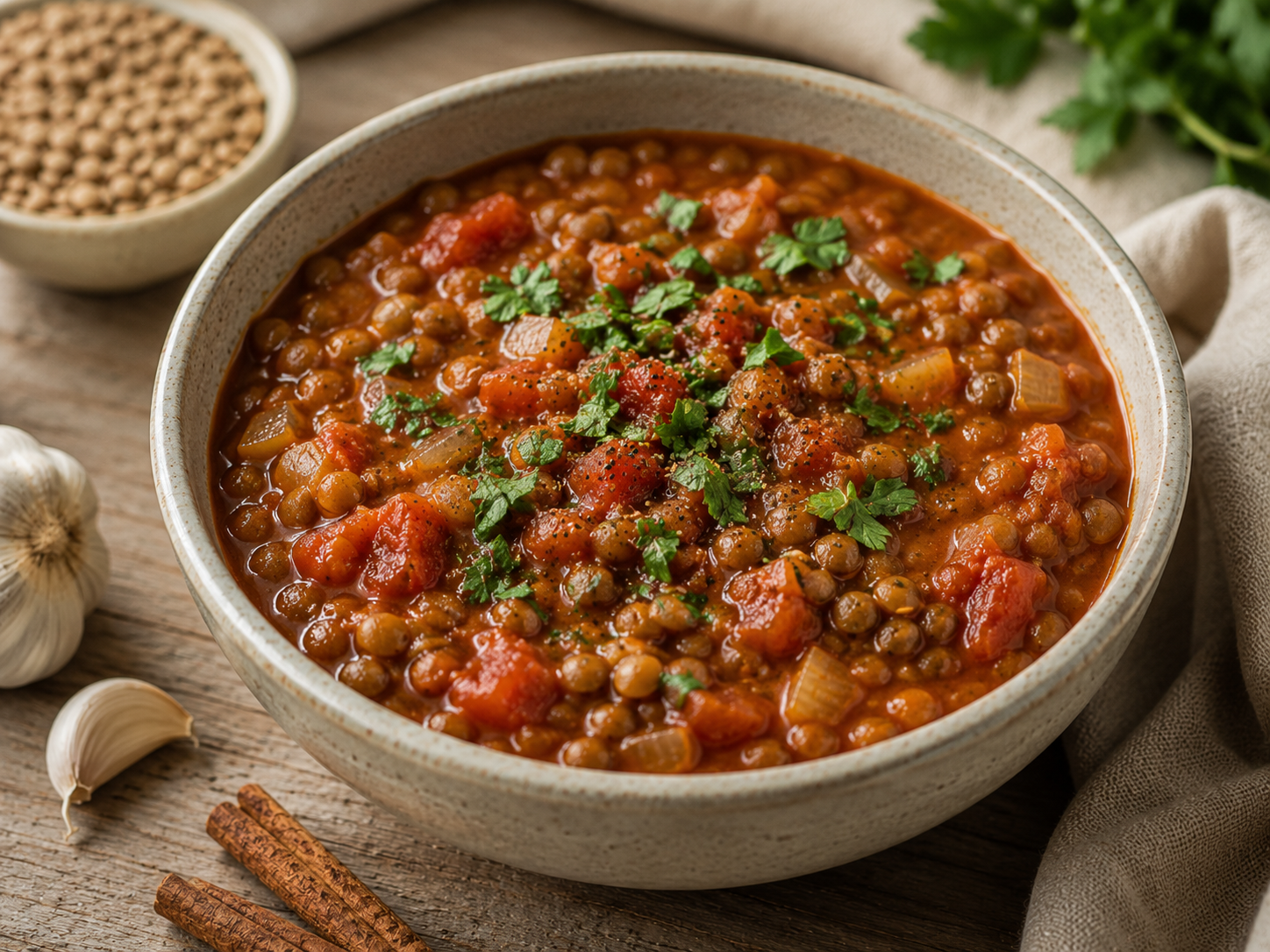
10. Cinnamon Lentil Tomato Stew
- 1 cup cooked brown or green lentils
- 1 cup crushed or diced tomatoes
- ½ onion, diced
- 1 clove garlic
- ⅛ to ¼ teaspoon Ceylon cinnamon
- ½ teaspoon cumin
- Olive oil, salt and black pepper
- Spinach or chopped greens, optional
How: Soften the onion and garlic in a little olive oil. Add cinnamon and cumin for about 30 seconds, then tomatoes and lentils. Simmer gently for 15 to 20 minutes and add greens near the end.
Taste: You should not think “cinnamon stew.” At the right amount, it simply makes tomato taste less flat and gives lentils a warmer, slower finish.
Texture: Thick, soft and spoonable. There is no detectable cinnamon powder texture after simmering.
Temperature: Best hot.
The rule: Start with ⅛ teaspoon. Savoury cinnamon works when people notice depth, not when they can immediately identify the spice.
The easiest foods to pair with Ceylon cinnamon
If you want to improvise instead of following a recipe, think in families:
Fruit: apple, pear, banana, peach, berries, dates and raisins.
Creamy foods: Greek yogurt, cottage cheese, kefir, chia pudding and nut butter.
Warm starches: oats, rice, quinoa, sweet potato and squash.
Deep flavours: cacao, coffee, toasted nuts and seeds.
Savoury partners: cumin, coriander seed, ginger, turmeric, tomato, carrot, chickpeas and lentils.
Three ways people make cinnamon less enjoyable
1. They put too much dry powder on a dry surface. Cinnamon on dry toast or dry cereal can feel dusty and catch in the throat. Put it into something moist or oily.
2. They expect it to dissolve in cold liquid. It does not behave like sugar. Blend, whisk or first make a paste.
3. They use the same amount in every dish. A smoothie may tolerate ¼ teaspoon beautifully; a savoury tomato stew may only need ⅛ teaspoon.
Why it belongs in Real Food Ideas
Ceylon cinnamon is not here because I think one spice fixes back pain. It does not.
It is here because the Food for Back Pain approach is built around making useful foods easier to eat consistently. Cinnamon can make oats, fruit, yogurt, seeds, legumes, vegetables and other whole foods more enjoyable without demanding another complicated recipe or a pile of sugar.
There is also legitimate research interest in cinnamon's polyphenols and metabolic effects, but the literature varies by species, extract and dose. That is a good reason to stay conservative with health claims and enthusiastic about the kitchen.
Use Ceylon cinnamon because it makes real food better. Any interesting biology sits on top of that, not the other way around.
Questions people ask
What is true cinnamon?
True cinnamon is Ceylon cinnamon, Cinnamomum verum. The older botanical name Cinnamomum zeylanicum is also still widely seen.
Does Ceylon cinnamon taste weaker than cassia?
It is usually less aggressive, but “weaker” misses some of the point. Ceylon cinnamon is more delicate, sweet, floral and layered. Cassia gives a stronger hot-cinnamon punch.
Can I put Ceylon cinnamon in coffee?
Yes. Start with about ⅛ teaspoon. For the smoothest cup, whisk it into warm milk or use a frother rather than dumping dry cinnamon onto black coffee and expecting it to dissolve.
Can I use Ceylon cinnamon every day?
Ceylon cinnamon is a culinary spice and contains far less coumarin than cassia. That makes it a sensible choice for frequent food use. High-dose supplement use is a different question and should not be treated as equivalent to seasoning food.
Does cinnamon lower blood sugar?
Clinical studies and meta-analyses have reported effects on some glucose and metabolic markers, but results vary and studies differ in cinnamon species, dose and preparation. Cinnamon should not replace diabetes medication or medical care.
Is cinnamon a treatment for back pain?
No. Food for Back Pain does not present Ceylon cinnamon as a treatment for back pain. It is one useful real-food ingredient within a broader nutrition pattern.
Research and further reading
- Cassia cinnamon as a source of coumarin in cinnamon-flavoured foods and supplements
- Review of coumarin exposure and liver toxicity
- Systematic review and meta-analysis of cinnamon supplementation and cardiovascular risk factors
- More Real Food Ideas from Food for Back Pain
Medical note: This article is educational and is not medical advice. Culinary amounts of cinnamon are different from concentrated extracts or supplement-level dosing. If you have liver disease, take medications that affect blood glucose or blood clotting, are pregnant, or plan to use concentrated cinnamon products, discuss that use with an appropriate healthcare professional.