What the World Is Eating · Issue 07 · November 9, 2026

Mackerel.

The oily fish that feeds the world.

Japan salts it. Portugal grills it. Britain smokes it. Why this blue-striped fish deserves a place on the table, and how it really stacks up against sardines.

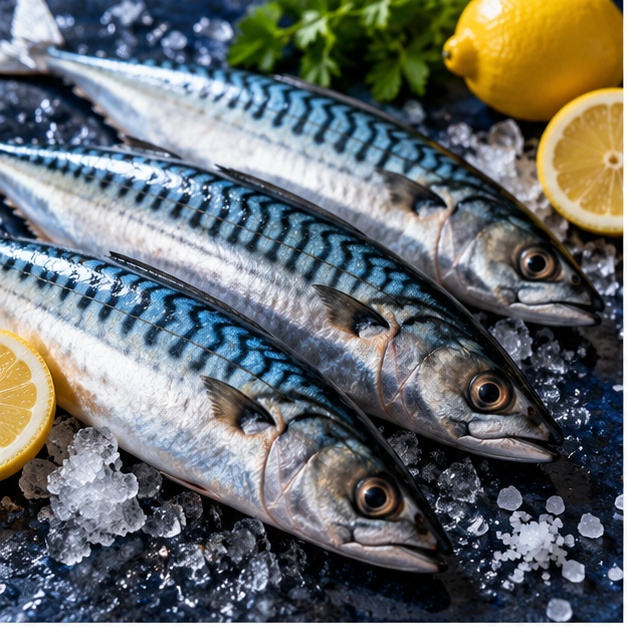
Fresh blue-striped mackerel on ice with lemon and herbs
Distinctive blue stripes, rich flesh, big culinary reach.
The fish hiding in plain sight

An ocean staple, not a luxury.

Mackerel is the kind of fish that built everyday meals long before anyone calculated its omega-3 content.

Its shimmering blue-green back and dark stripes are unmistakable. Mackerel is a family of related fish, not a single interchangeable product, and species identification matters for flavour, fat content and especially mercury exposure.

Atlantic mackerel (Scomber scombrus) and Pacific chub mackerel (Scomber japonicus) are two useful lower-mercury choices. Neither should be confused with king mackerel, a much larger predatory fish. [1,2]

Rich oily flesh makes mackerel particularly suited to salt, sharp citrus, vinegar, smoke and live fire. Across coastal kitchens, these are flavour choices as much as preservation traditions.

Three coasts, three appetites

A fish that travels without becoming generic.

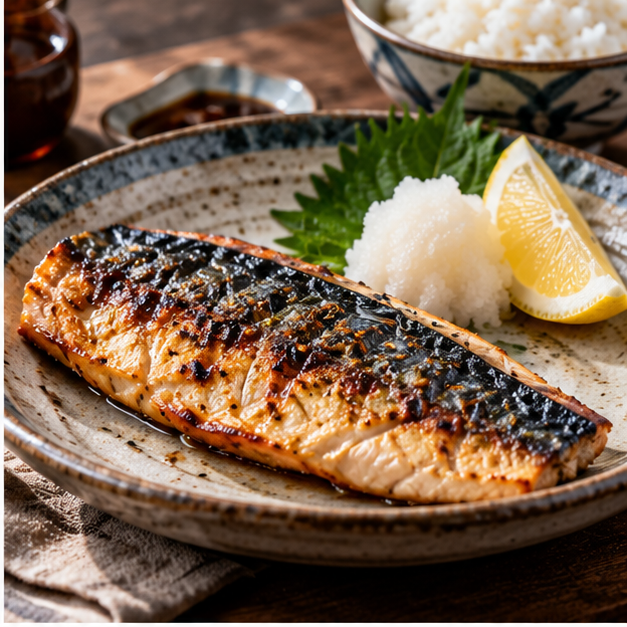
Japan: saba is salted and grilled until the skin blisters, commonly served with rice, grated daikon and lemon or sudachi. Mackerel also appears in vinegar-cured preparations.

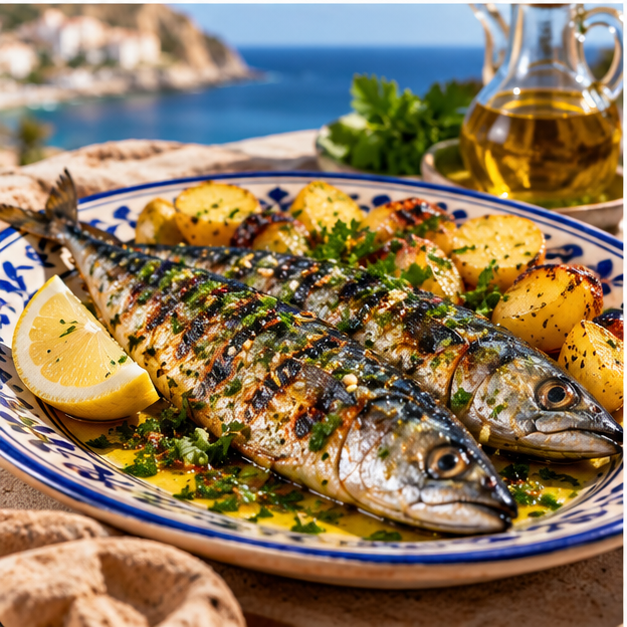
Portugal: carapau and cavala are familiar fish at fish counters and charcoal grills. Cavala, mackerel, is at home with olive oil, garlic, lemon and potatoes.

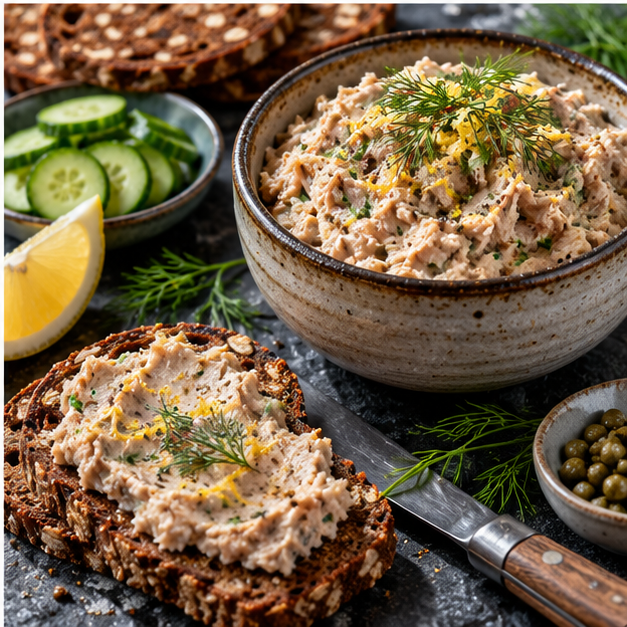
Britain: smoking and curing are part of the coastal fish repertoire. Smoked mackerel becomes a wonderfully practical pâté or spread with lemon, herbs and something creamy.

This issue's promise

We already covered sardines. So what changes?

Both are nutrient-dense oily fish, but they are not nutritional clones. In particular, edible sardine bones radically change the calcium story, while mackerel species and preparation change the mercury and sodium stories.

The comparison below separates what we know from what varies too much to rank fairly without specifying a particular product.

The nutrient notebook

Why the oil matters more than the label.

Mackerel delivers complete protein and marine long-chain omega-3 fatty acids, principally EPA and DHA. Fat levels change with season, geography, species and processing. The biology is compelling; clinical claims need more care.

EPA and DHA

These long-chain fats become part of cell membranes and serve as precursors to lipid mediators involved in immune signalling and the resolution of inflammation. The effects of eating fish cannot be assumed identical to those of concentrated supplements. [3,4]

Vitamin D

Oily fish can supply vitamin D, which is involved in calcium regulation and normal musculoskeletal function. Actual content varies widely and cooking and product data need to be checked before making numeric claims. [3]

B12 and selenium

Mackerel contributes vitamin B12, important for nerve and blood-cell function, and selenium, part of antioxidant enzyme systems. More is not always better, and nutrients work within an overall diet. [3]

High-quality protein

Fish protein provides the essential amino acids used to build and maintain body tissues. A fish-based meal also creates room for vegetables, legumes and whole grains.

Inflammation and pain

Trials of omega-3 supplements suggest benefits in some inflammatory pain conditions, notably rheumatoid arthritis, but the findings are mixed across conditions. They do not show that mackerel itself cures back pain. [4,5]

Why preparation matters

Grilling, baking and smoking bring different flavours. Strongly salted or smoked products may contribute substantial sodium; check the label, especially if sodium intake is a concern.

Companion to Issue 02 · Sardines

Mackerel vs. sardines: which wins?

The practical answer is neither wins across every measure. Compare a low-mercury mackerel species with sardines in a specific preparation, not an unspecified “mackerel” against a random can. Nutrient figures per 100 g are most meaningful when the fish are in comparable raw/cooked states. Canned bone-in sardines are a different food format from boneless fillets. [1–3]

CategoryMackerelSardines
EPA + DHARich source, often generous per portion; amounts shift substantially with species and season.Also an excellent source. A reliable everyday source, especially canned; brand and packing liquid affect figures.
ProteinComplete protein, roughly comparable when edible portions and cooking methods match.Complete protein too. Neither has a clear meaningful advantage as a protein food.
CalciumBoneless fillets contribute relatively little calcium. Soft edible bones change the equation.Bone-in canned sardines have a clear calcium advantage over ordinary boneless mackerel fillets.
Vitamin DCan be particularly useful; species, season and product matter.Also supplies vitamin D. Exact rankings need product-level numbers.
Vitamin B12Excellent source.Excellent source. A blanket “winner” would be misleading.
MercurySpecies is everything: Atlantic and Pacific chub are best choices; Spanish is a good choice; king is avoid.Sardines are among the lowest-mercury commercial fish in FDA sampling.
Price and convenienceFrozen fillets and canned mackerel can be economical; fresh whole fish offers an excellent grill meal.Cans are shelf-stable, portioned and convenient, often ideal for quick lunches.
Flavour and textureMeaty, robust and suited to grilling, crisp skin, vinegar and smoke.More delicate, soft and especially practical on toast or in salads.
InflammationProvides marine omega-3s; not a demonstrated back-pain therapy.Provides the same nutrient family; no evidence that sardines directly outperform mackerel for pain relief.

Comparison is intentionally qualitative because fixed “per 100 g” nutrient numbers would require matching a defined species, edible portion and preparation for both fish. For exact product comparisons, use USDA FoodData Central and the nutrition labels of the actual products. [3]

The sensible weekly answer

Choose both. Use bone-in sardines when convenient calcium is the priority, and Atlantic or Pacific chub mackerel when you want a substantial grilled or smoked fish meal. Variety is more useful than declaring one oily fish a universal champion.

The distinction that really matters

“Mackerel” is not a safety category.

FDA/EPA guidance groups fish according to mercury exposure. These are the labels worth learning, particularly for pregnancy, breastfeeding and children. [1,2]

FishFDA/EPA categoryFDA average mercury (ppm)
Atlantic mackerelBest Choice0.05
Pacific chub mackerelBest Choice0.09
SardinesBest Choice0.01
Spanish mackerelGood Choice0.35
King mackerelAvoid0.73

Population averages from the FDA technical evidence table, not a measurement of any individual fish. US EPA/FDA pregnancy guidance recommends two to three adult servings per week from “Best Choices” (four ounces per serving). Follow locally applicable guidance and advice for children. [1,2]

Science without overclaiming

Can oily fish help an aching body?

EPA and DHA have plausible biological roles in inflammatory pathways, and some studies of supplementation report improvements in chronic pain outcomes. But results differ by pain condition, dose and study design. Reviews note substantial heterogeneity and the need for better trials. [4,5]

What we cannot claim: that two mackerel dinners per week repair spinal discs, reverse arthritis, or substitute for medical treatment. A food pattern rich in fish, plants and minimally processed ingredients is a reasonable nutritional strategy, not a guarantee.

Think of oily fish as one useful dietary building block, alongside adequate protein, vegetables, sleep, activity and individualized medical care.

One fish · three coastal kitchens

Now put it on a plate.

Each of these recipes uses a different strength of mackerel: crisp salty skin in Japan, direct-fire richness in Portugal, and smoky spreadability in Britain. All three are complete, approachable home adaptations of established food traditions.

01 · Japan

Saba Shioyaki

Salt-grilled mackerel with rice, grated daikon and lemon.

Serves 225 minutes
Japanese style grilled mackerel with rice, grated daikon and lemon
Recipe photography · 01 · Japan

Ingredients

  • 2 Atlantic or Pacific chub mackerel fillets (about 140–170 g each), pin bones removed
  • ½–¾ tsp fine salt, depending on fillet size
  • 1 tsp neutral oil for the grill surface
  • 1 cup cooked rice per person, for serving
  • ½ cup finely grated daikon radish
  • Lemon wedges, for serving
  • Optional: 1 tsp reduced-sodium soy sauce per person

Method

  1. Pat the fillets thoroughly dry. Salt both sides lightly and refrigerate uncovered for 15–20 minutes. Blot off released moisture.
  2. Heat a broiler or grill pan to medium-high. Lightly oil the rack or pan. Set the fish skin-side toward the heat and cook about 4–6 minutes, depending on thickness.
  3. Turn only if needed and cook until the thickest part reaches 63°C / 145°F or flakes readily and is opaque throughout.
  4. Serve immediately with rice, squeezed daikon, lemon and optional soy sauce.
Dry skin and brief salting produce a better crisp finish. Watch carefully: oily fish can flare over direct fire.
02 · Portugal

Cavala Grelhada

Char-grilled mackerel with lemon, garlic and warm potatoes.

Serves 235 minutes
Portuguese grilled whole mackerel with herbed potatoes and lemon
Recipe photography · 02 · Portugal

Ingredients

  • 2 small whole cleaned Atlantic mackerel, about 250–350 g each
  • 350 g small potatoes, halved
  • 2 tbsp extra-virgin olive oil, divided
  • 2 garlic cloves, finely chopped
  • 1 lemon, half juiced and half cut into wedges
  • 2 tbsp chopped parsley
  • ½ tsp salt, plus pepper
  • Optional: pinch of smoked paprika

Method

  1. Boil the potatoes in lightly salted water for 12–15 minutes until tender. Drain; toss with one tablespoon olive oil and parsley.
  2. Pat mackerel dry and score each side shallowly. Brush with remaining olive oil, season with salt and pepper, and add a little paprika if desired.
  3. Heat a clean grill or ridged pan to medium-high. Grill 5–7 minutes per side depending on thickness, turning gently, until opaque and cooked to 63°C / 145°F at the thickest part.
  4. Warm chopped garlic gently in a small pan with a splash of olive oil for 30 seconds, then remove from heat and stir in lemon juice. Spoon over fish. Serve with potatoes and lemon.
Whole fish contains bones. Remove carefully as you eat. Direct-grill timing depends heavily on fish size and heat.
03 · Britain

Smoked Mackerel Pâté

A fast, bright spread for rye toast, cucumber and capers.

Serves 412 minutes
British style smoked mackerel pate with rye toast dill cucumber and capers
Recipe photography · 03 · Britain

Ingredients

  • 200 g hot-smoked mackerel fillets, skin and bones removed
  • 100 g plain Greek yogurt or soft cream cheese
  • 1 tbsp lemon juice, plus zest from ½ lemon
  • 1 tsp Dijon mustard
  • 1 tbsp finely chopped fresh dill
  • 1 tsp prepared horseradish, optional
  • Fresh black pepper to taste
  • 4–8 slices rye bread, plus sliced cucumber and capers to serve

Method

  1. Check the smoked mackerel carefully for any remaining pin bones. Break into flakes with a fork.
  2. Mix yogurt or soft cheese, lemon juice and zest, mustard, dill and optional horseradish in a bowl.
  3. Fold in the mackerel, leaving some texture. Add black pepper; taste before salting because smoked fish is already seasoned.
  4. Chill until needed and serve on rye toast with cucumber and a few capers. Refrigerate leftovers promptly and follow the smoked fish package’s storage directions.
Choose hot-smoked, fully cooked mackerel for this recipe. Ready-to-eat cold-smoked fish has different safety considerations, especially for higher-risk groups.
The market and the kitchen

Make a good fish decision.

Read the species

Look for “Atlantic mackerel” or “Pacific chub mackerel,” not just a front-of-pack image or the word mackerel. If a species is unclear, ask the seller.

Freshness is everything

Look for fish that smell clean, not sharply fishy. Keep chilled, use promptly, and freeze if you cannot cook it soon. High-fat fish can develop off-flavours quickly.

Mind the method

Grilling brings richness, smoking adds convenience but often salt, and bone-in sardines offer a unique calcium advantage. Rotate the choices you enjoy.

Research notebook · original sources

Follow the evidence.

  1. FDA/EPA Advice About Eating Fish. Species-based risk categories, portion guidance and mercury cautions.
  2. FDA technical background: mercury concentrations by species. Source for the numeric mercury comparison.
  3. USDA FoodData Central. Reference for nutrient profiles; data change with species, product and preparation.
  4. Effects of omega-3 fatty acids on chronic pain: a systematic review and meta-analysis. 2025; 41 randomized controlled trials; findings vary by condition.
  5. A meta-analysis of the analgesic effects of omega-3 polyunsaturated fatty acid supplementation for inflammatory joint pain. 2007. Joint pain and stiffness results with supplementation.
  6. NIH Office of Dietary Supplements: Omega-3 Fatty Acids. Physiology, food sources and clinical research overview.
The last forkful

Keep the sardines. Add the mackerel.

The smartest seafood habit is not choosing a champion. It is knowing your species, varying your meals, and turning nutritious ingredients into food you actually want to eat.

Read the Sardines issue →   More from What the World Is Eating →